Loading…
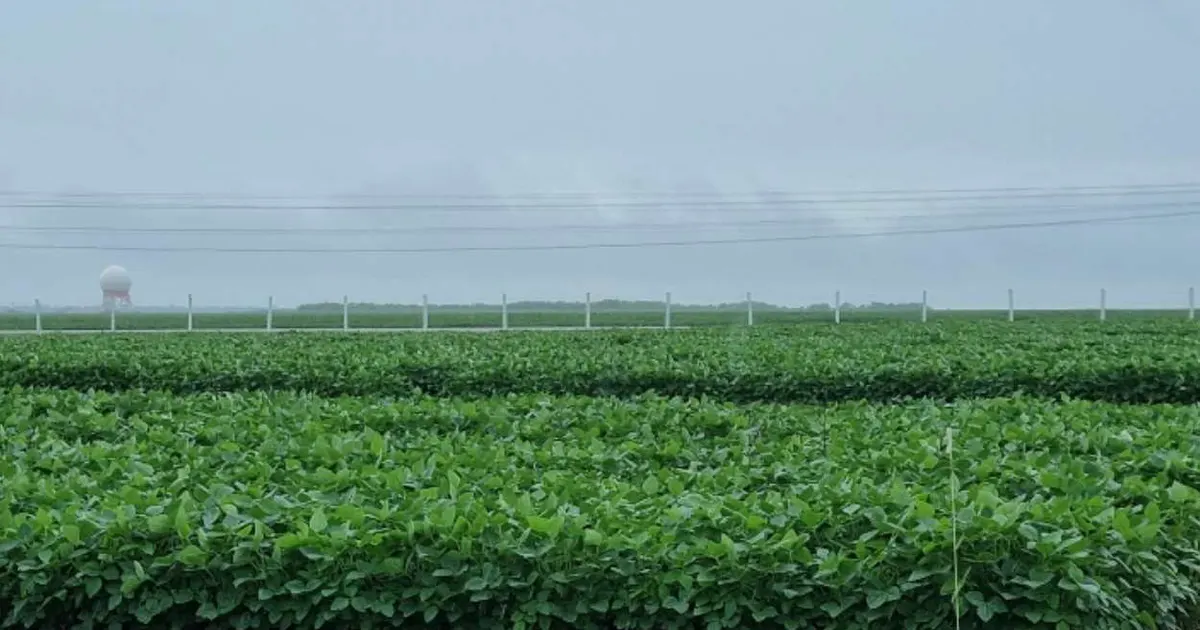
Embrapa's second agrometeorological bulletin for Mato Grosso shows rainfall was below average from September to December 2023 and above-average temperatures increased soil water loss. Soil water storage stayed low until January, delaying soybean planting and forcing some replanting.
Late planting and low early-season rain point to lower soybean yields in Brazil's leading producing state, which supports soybean and meal prices.
 revistacultivar.comApr 1, 2024
After 1,079 past bullish weather events, Soybeans moved a median +0.3% over 5 sessions (54% higher; middle half -1.4% to +2.0%), and +0.9% over 20.
After 453 past bullish weather events, Soybean Meal moved a median +0.5% over 5 sessions (55% higher; middle half -1.6% to +2.7%), and +0.5% over 20.
Moves of each commodity's benchmark from the last close before the event. Historical reads pool past events of the same kind; they describe what happened, not what will. Not investment advice.
