Loading…
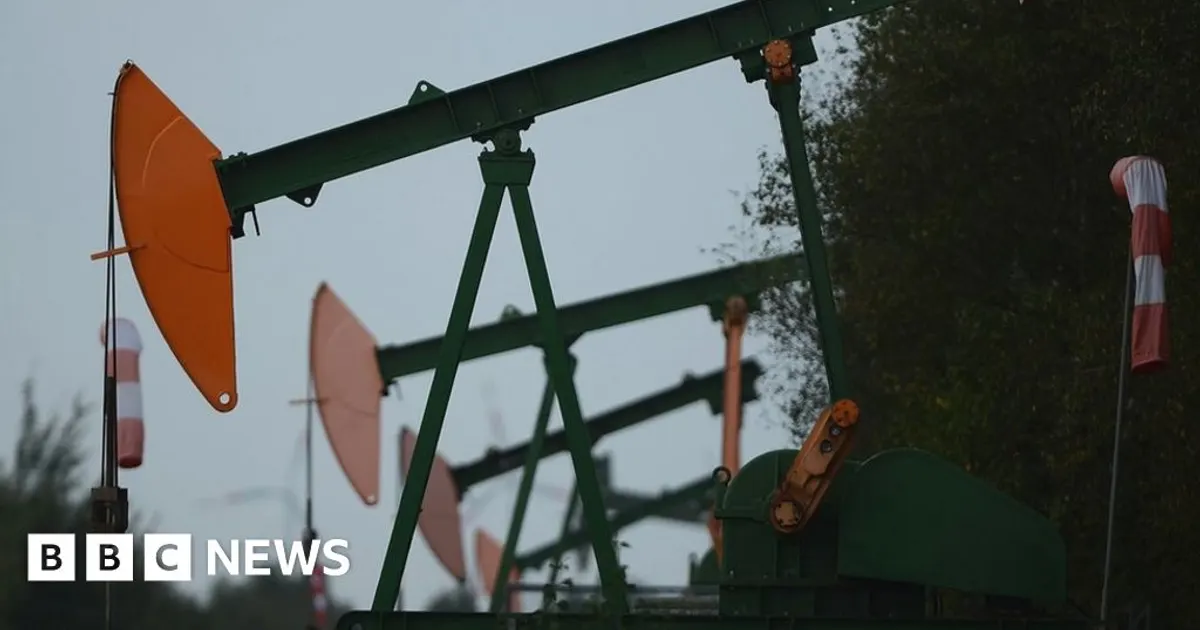
US oil prices turned negative for the first time, with WTI falling as low as minus $37.63 a barrel. Producers paid buyers to take crude as storage capacity was expected to run out, while lockdowns had dried up demand.
The negative price reflects a storage-driven glut from lockdown-driven demand loss, signalling deep downward pressure on crude. Lower energy prices reduce input costs but also weaken biofuel economics that support vegetable oil and grain demand.
 bbc.comAdd as preferred on GoogleApr 20, 2020
After 565 past bearish macro events, Crude Oil (WTI) moved a median -1.4% over 5 sessions (41% higher; middle half -5.9% to +3.0%), and -0.5% over 20.
After 312 past bearish macro events, Crude Oil (Brent) moved a median -1.7% over 5 sessions (38% higher; middle half -5.4% to +2.3%), and -1.7% over 20.
Moves of each commodity's benchmark from the last close before the event. Historical reads pool past events of the same kind; they describe what happened, not what will. Not investment advice.
WTI turning negative on 20 April signaled storage exhaustion and demand collapse, spilling over into Brent via sentiment and a rush out of futures.
WTI going negative on Apr 20 triggered contagion and panic into Brent, with the storage shortage signaling the same glut risk globally.
