Loading…
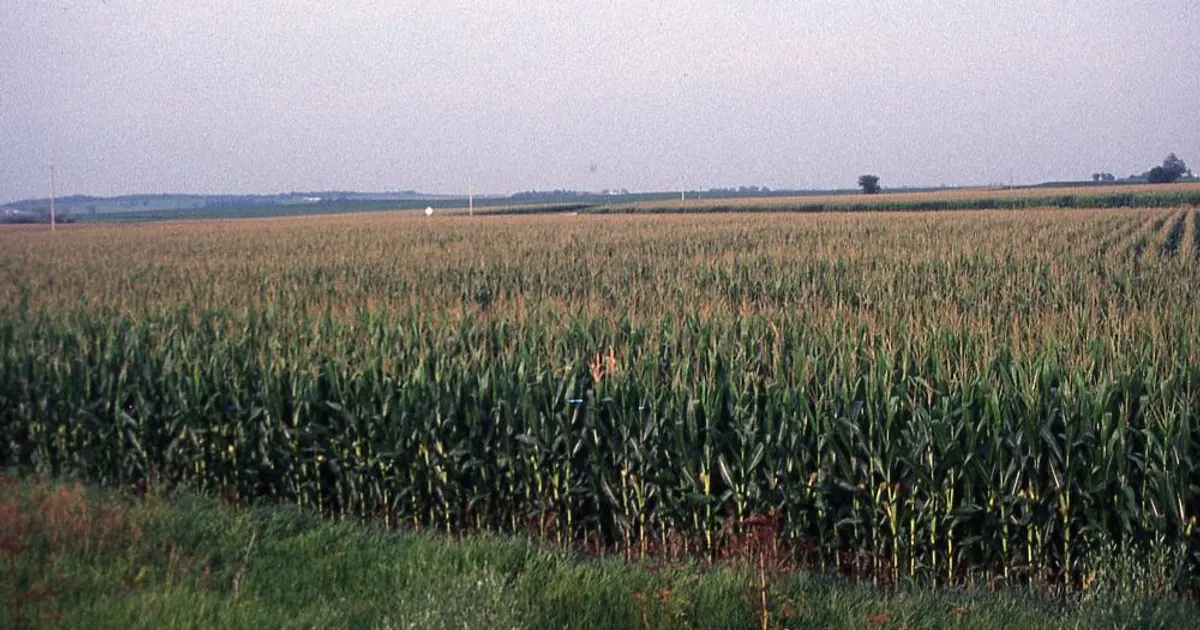
A Penn State study finds that air humidity affects convective rainfall in the U.S. Corn Belt more strongly than soil moisture does. The authors note that Corn Belt agriculture is mostly rainfed, which makes it more exposed to year-to-year climate swings.
The research is long-term and does not describe a new supply shock, so it has no direct effect on current feed prices. It may matter for future risk assessments of Corn Belt yields.
 psu.eduAngela RogersOct 25, 2021
After 2,467 past weather events, Corn moved a median +0.1% over 5 sessions (51% higher; middle half -1.5% to +1.7%), and +0.6% over 20.
After 1,964 past weather events, Soybeans moved a median +0.1% over 5 sessions (51% higher; middle half -1.7% to +1.8%), and +0.3% over 20.
Moves of each commodity's benchmark from the last close before the event. Historical reads pool past events of the same kind; they describe what happened, not what will. Not investment advice.
