Loading…
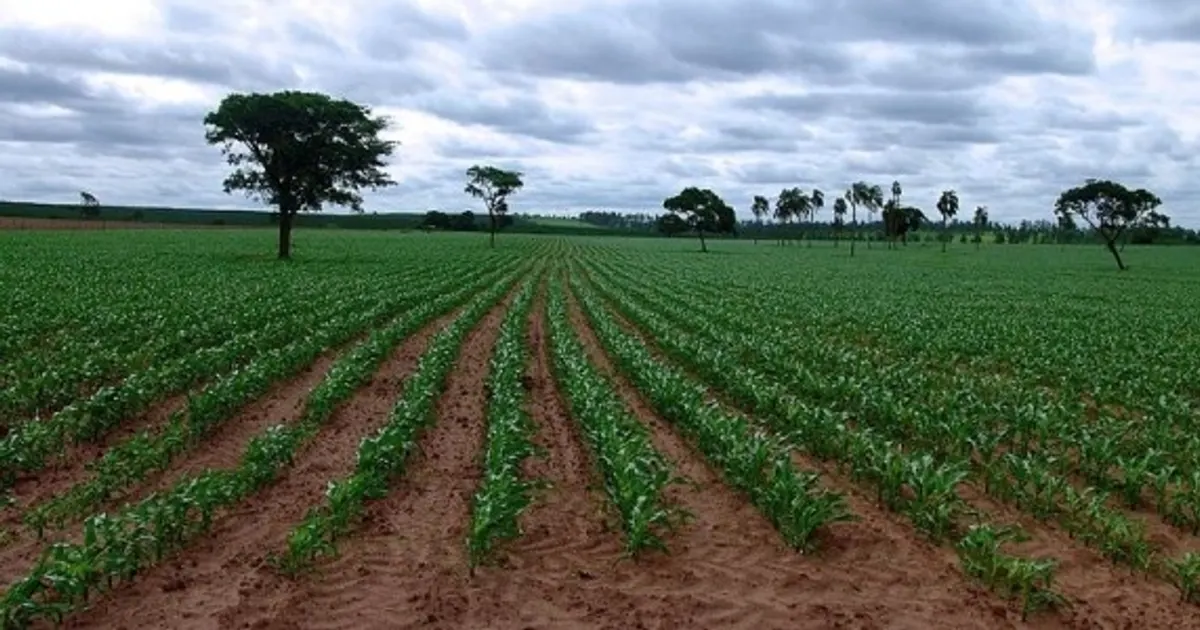
A study led by researchers at UNICAMP's Center for Environmental Studies, supported by FAPESP and the Belmont Forum, finds that climate change could expose Brazil's safrinha (second-crop) corn to extreme drought. The crop is planted after the summer soybean and corn harvest and grown between January and April in the Center-West, Southeast and South.
The findings point to rising risk for agribusiness productivity and export leadership.
A higher drought risk for Brazil's second-crop corn could tighten export supplies later in the year and support corn prices. The effect is long-term research rather than an immediate production shock, so the current price impact is limited.
 agencia.fapesp.brFAPESPJul 15, 2020
After 1,465 past bullish weather events, CORN moved a median +0.2% over 5 sessions (54% higher; middle half -1.4% to +1.9%), and +0.9% over 20.
Moves of each commodity's benchmark from the last close before the event. Historical reads pool past events of the same kind; they describe what happened, not what will. Not investment advice.
