Loading…
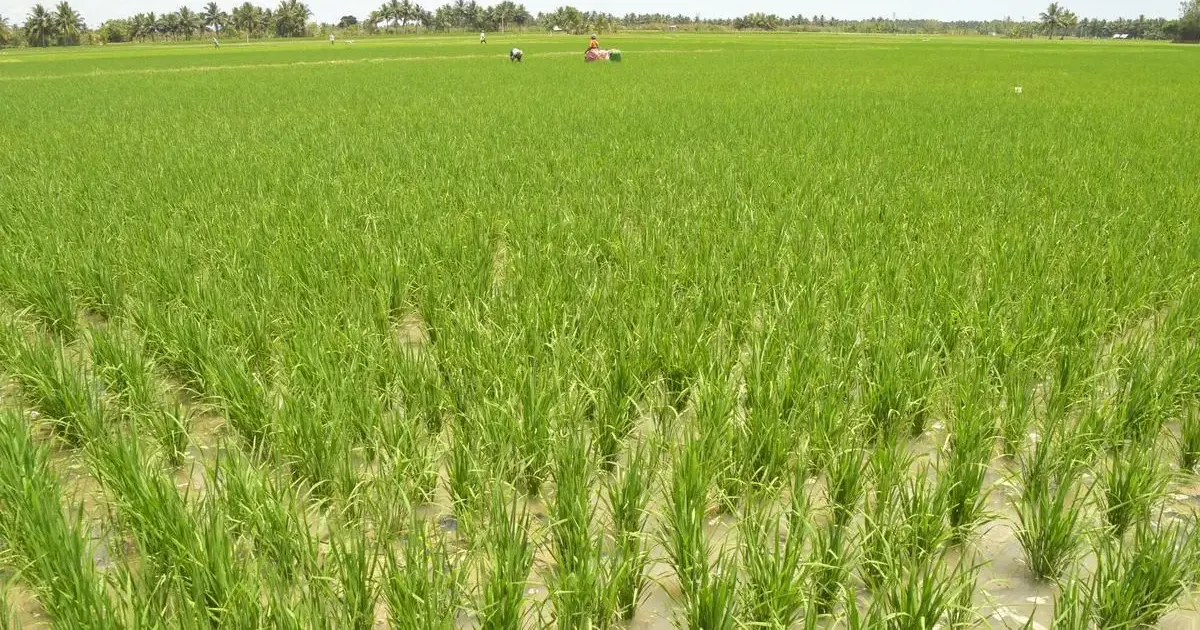
FAO's AMIS Market Monitor said El Niño is likely to develop after three years of La Niña and could hit maize, soybean and rice output in India, northern China, southern Mexico, northeast Brazil, Indonesia and West Africa. Based on history, El Niño tends to slightly improve global soybean yields while reducing maize, rice and wheat yields.
Impacts depend on the event's strength and duration.
Lower maize and rice yields in several major producing areas would tighten supplies for feed buyers, supporting corn and rice prices, while soybean effects are expected to be smaller.
 thehindubusinessline.comSubramani Ra MancombuMay 5, 2023
After 1,465 past bullish weather events, Corn moved a median +0.2% over 5 sessions (54% higher; middle half -1.4% to +1.9%), and +0.9% over 20.
After 179 past bullish weather events, Rough Rice moved a median +0.4% over 5 sessions (55% higher; middle half -1.4% to +2.5%), and +2.2% over 20.
After 324 past neutral weather events, Soybeans moved a median +0.0% over 5 sessions (52% higher; middle half -1.4% to +1.7%), and +0.7% over 20.
Moves of each commodity's benchmark from the last close before the event. Historical reads pool past events of the same kind; they describe what happened, not what will. Not investment advice.
