Loading…
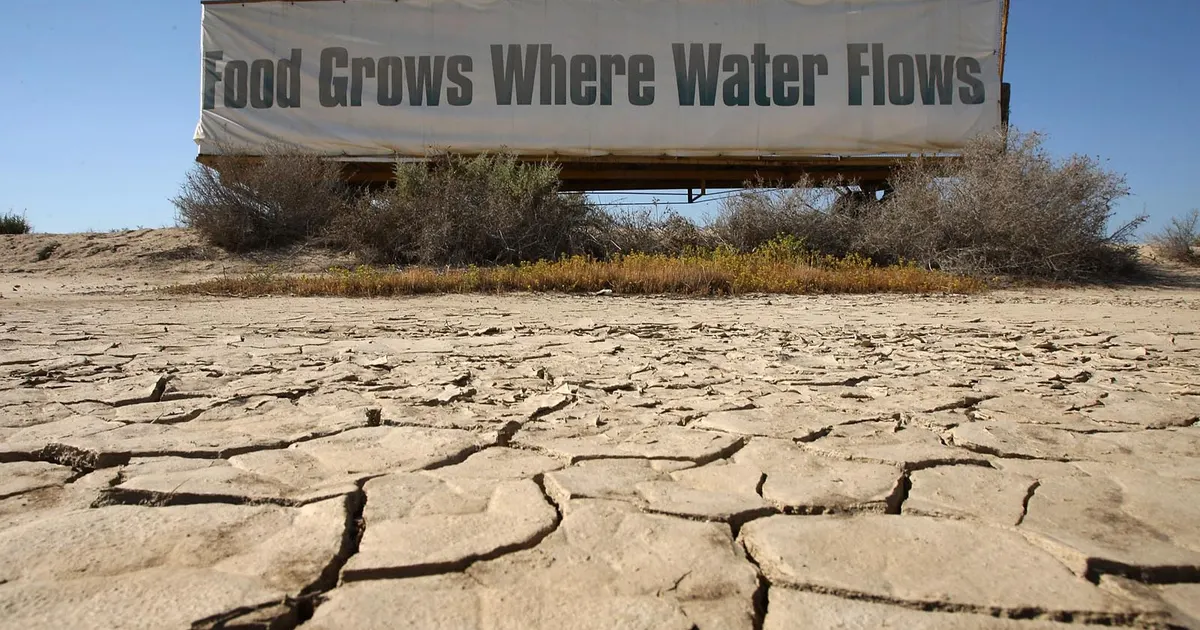
A Lloyd's study from 2023 modeled the economic impact of extreme weather scenarios using 40 years of data and crop and water-stress models. It considered major, severe and extreme cases, with the major case carrying large global costs.
The study frames the tail risk of multiyear crop failures in major exporters, which underpins long-run risk premiums in grain and oilseed markets but offers no immediate supply change.
 yaleclimateconnections.orgJeff MastersJan 25, 2024
After 445 past neutral weather events, Corn moved a median +0.1% over 5 sessions (52% higher; middle half -1.4% to +1.6%), and +0.7% over 20.
After 324 past neutral weather events, Soybeans moved a median +0.0% over 5 sessions (52% higher; middle half -1.4% to +1.7%), and +0.7% over 20.
After 224 past neutral weather events, Wheat (SRW) moved a median -0.1% over 5 sessions (46% higher; middle half -1.4% to +1.5%), and +0.4% over 20.
Moves of each commodity's benchmark from the last close before the event. Historical reads pool past events of the same kind; they describe what happened, not what will. Not investment advice.
