Loading…
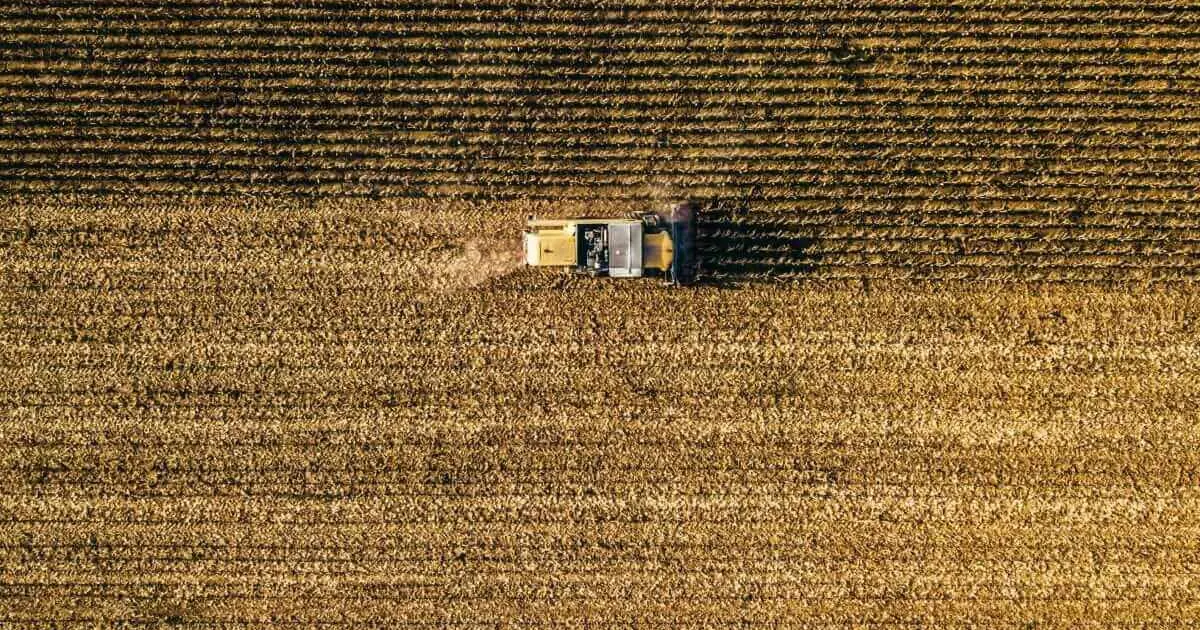
Meteorologist Jim Roemer argues that the end of La Niña is bearish for most grain markets because spring weather is favorable, while recalling the lessons of past Plains wheat drought. The analysis draws on NOAA ENSO forecasts and USDA data.
Favorable spring weather reduces the risk premium in grains, pressuring corn, soybeans and wheat, though Plains wheat drought risk remains a lingering concern.
 theglobeandmail.comJim RoemerApr 29, 2025
After 334 past bearish weather events, Wheat (SRW) moved a median -0.2% over 5 sessions (47% higher; middle half -1.9% to +1.7%), and -0.2% over 20.
After 70 past bearish weather events, Wheat (HRW) moved a median -0.6% over 5 sessions (41% higher; middle half -3.9% to +2.5%), and -1.1% over 20.
After 357 past bearish weather events, Corn moved a median -0.3% over 5 sessions (44% higher; middle half -2.2% to +1.3%), and -0.5% over 20.
After 363 past bearish weather events, Soybeans moved a median -0.6% over 5 sessions (42% higher; middle half -2.5% to +1.1%), and -0.2% over 20.
Moves of each commodity's benchmark from the last close before the event. Historical reads pool past events of the same kind; they describe what happened, not what will. Not investment advice.
