Loading…
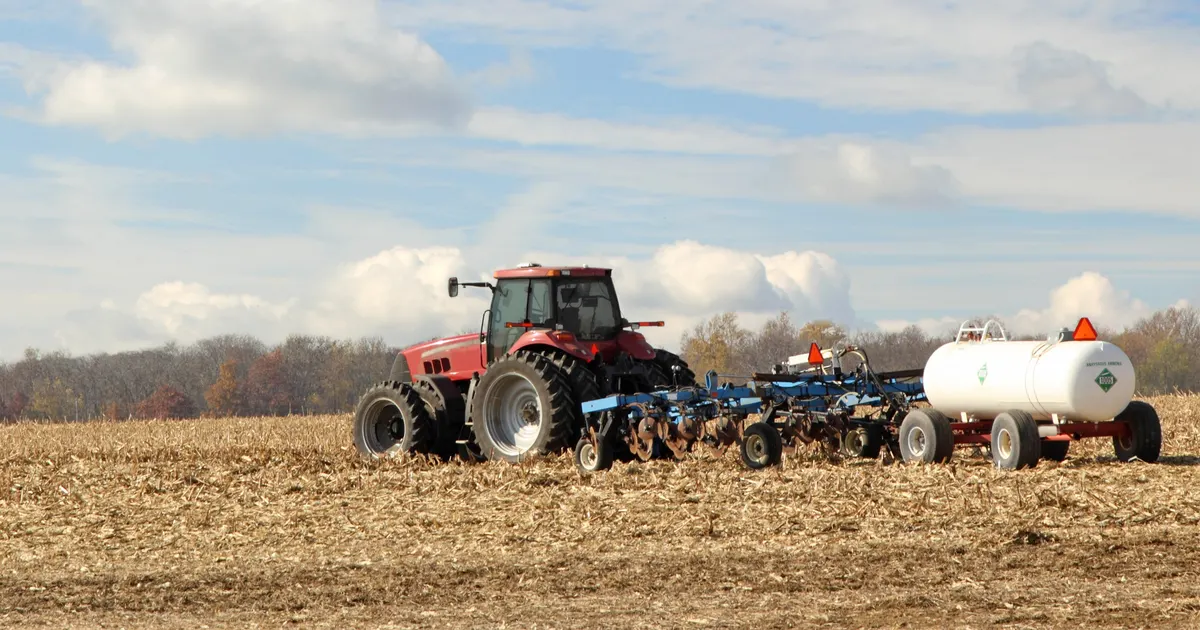
CoBank argues that fertilizer prices, especially phosphates, will stay above pre-Iran war levels through 2028. It says the current disruption stems from damaged production capacity and raw-material constraints rather than rerouted trade, making it longer-lasting than the 2022 shock.
Ammonia and sulfur are highlighted as key cost drivers, with three of the world's ten largest ammonia exporters behind Hormuz.
Persistent input costs for nitrogen and phosphate raise the cost base for feed grain and oilseed production, supporting prices over the medium term. Demand destruction from high fertilizer costs could partly offset this.
 cobank.comJacqui FatkaSep 1, 2026
After 205 past bullish geopolitics events, Urea moved a median +0.4% over 5 sessions (53% higher; middle half -2.1% to +3.0%), and -0.4% over 20.
After 114 past bullish geopolitics events, DAP moved a median +0.0% over 5 sessions (50% higher; middle half -0.3% to +1.2%), and +0.3% over 20.
Moves of each commodity's benchmark from the last close before the event. Historical reads pool past events of the same kind; they describe what happened, not what will. Not investment advice.
