Loading…
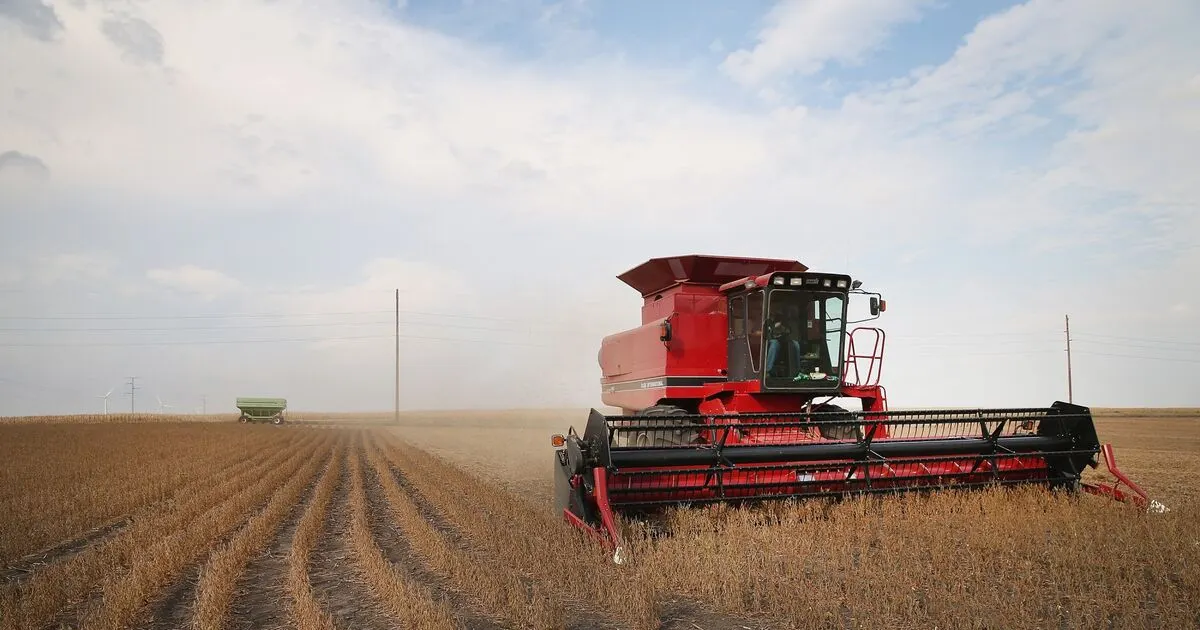
Imports of used cooking oil and other feedstocks for biofuel production in the US have surged. Soybean processors are facing eroded margins as demand weakens, prompting them to slow crush operations and jeopardizing expansion plans.
Slower soybean crushing reduces output of both soybean oil and meal, which tightens meal supply and supports meal prices while pressuring soybean and oil prices as demand shifts to imported feedstocks.
 bloomberg.comTarso VelosoApr 26, 2024
After 803 past bearish trade events, Soybeans moved a median +0.0% over 5 sessions (51% higher; middle half -1.7% to +1.7%), and +0.9% over 20.
After 152 past bearish trade events, Soybean Oil moved a median -0.2% over 5 sessions (47% higher; middle half -2.1% to +2.1%), and -0.1% over 20.
After 342 past bullish trade events, Soybean Meal moved a median +0.1% over 5 sessions (51% higher; middle half -1.1% to +2.6%), and +0.6% over 20.
Moves of each commodity's benchmark from the last close before the event. Historical reads pool past events of the same kind; they describe what happened, not what will. Not investment advice.
Surging imports of used cooking oil and other green diesel feedstocks displace soyoil in US biofuel demand and erode crush margins, a bearish demand factor.
