Loading…
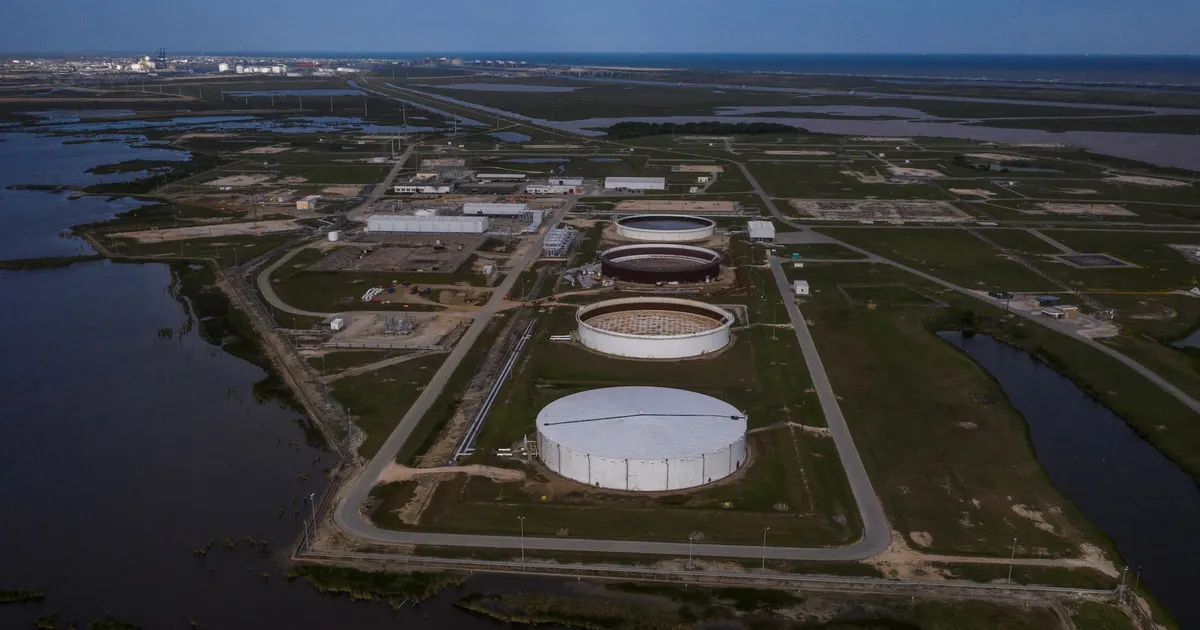
Oil prices settled about 2% lower on Friday with a large weekly loss after weaker-than-expected US August jobs data. Brent fell to $71.06, its lowest since December 2021, and WTI fell to $67.67, its lowest since June 2023.
The jobs data pointed to a slowing labor market that may not justify a big Federal Reserve rate cut, outweighing support from an OPEC+ delay to supply increases.
Weaker demand expectations and reduced odds of aggressive Fed easing pressure crude and energy-linked prices lower. Lower crude tends to weigh on biofuel economics and on soybean oil and corn-based ethanol margins, with feed-cost implications for buyers.
 reuters.comNicole JaoSep 6, 2024
After 565 past bearish macro events, Crude Oil (WTI) moved a median -1.4% over 5 sessions (41% higher; middle half -5.9% to +3.0%), and -0.5% over 20.
After 312 past bearish macro events, Crude Oil (Brent) moved a median -1.7% over 5 sessions (38% higher; middle half -5.4% to +2.3%), and -1.7% over 20.
After 359 past neutral macro events, US Dollar (Broad) moved a median -0.0% over 5 sessions (49% higher; middle half -0.4% to +0.4%), and -0.1% over 20.
Moves of each commodity's benchmark from the last close before the event. Historical reads pool past events of the same kind; they describe what happened, not what will. Not investment advice.
Weak US August jobs data on Sept 6 signaled slowing demand and less Fed easing, pushing Brent to its lowest since Dec 2021 and sealing the weekly loss.
