Loading…
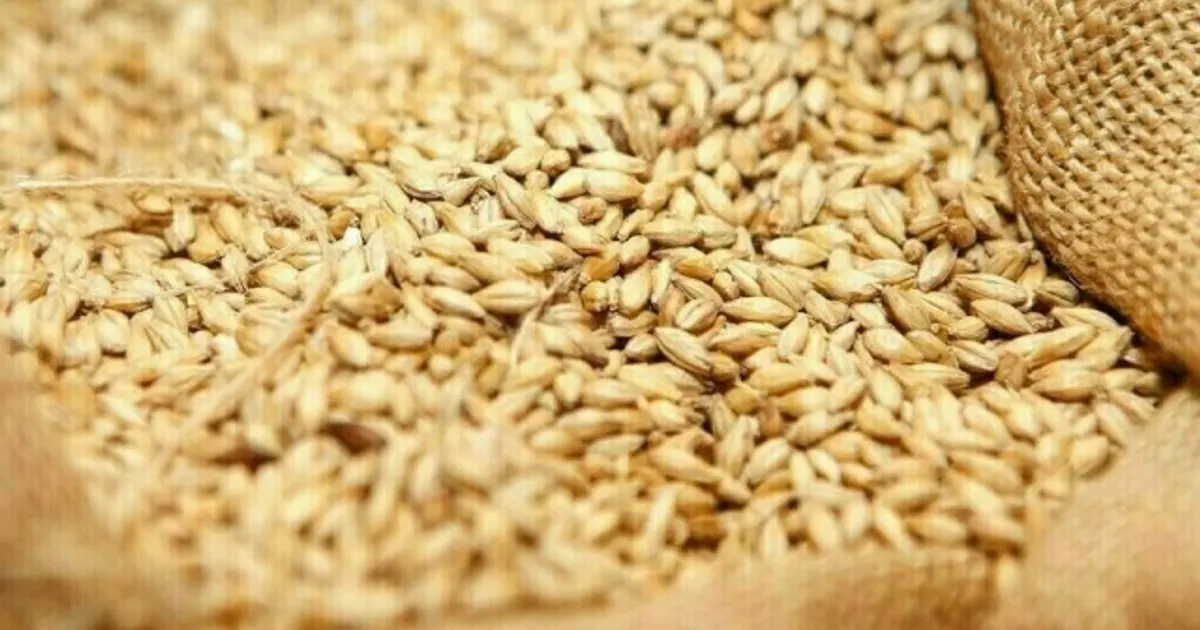
Chicago wheat was little changed on April 25, 2023, after hitting a 21-month low, as forecast rain for drought-hit US Plains and competitive Russian exports offset supply risks. USDA rated only 26% of US winter wheat in good to excellent condition, the lowest for the season since 1989.
Corn edged higher after an eight-month low, and soybeans were marginally lower.
Competitive Russian export supply caps wheat prices despite poor US winter crop ratings. Wheat is a potential feed substitute, so its weakness can pressure feed grain values.
 brecorder.comReutersApr 25, 2023
After 334 past bearish weather events, Wheat (SRW) moved a median -0.2% over 5 sessions (47% higher; middle half -1.9% to +1.7%), and -0.2% over 20.
After 70 past bearish weather events, Wheat (HRW) moved a median -0.6% over 5 sessions (41% higher; middle half -3.9% to +2.5%), and -1.1% over 20.
After 445 past neutral weather events, Corn moved a median +0.1% over 5 sessions (52% higher; middle half -1.4% to +1.6%), and +0.7% over 20.
After 324 past neutral weather events, Soybeans moved a median +0.0% over 5 sessions (52% higher; middle half -1.4% to +1.7%), and +0.7% over 20.
Moves of each commodity's benchmark from the last close before the event. Historical reads pool past events of the same kind; they describe what happened, not what will. Not investment advice.
