加载中…
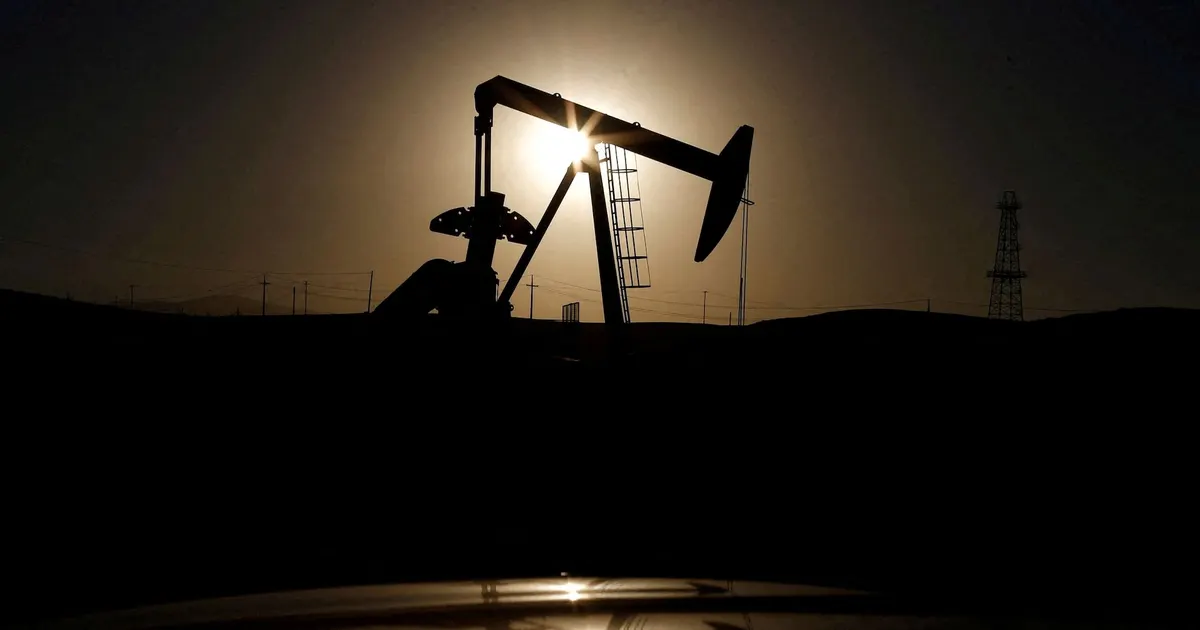
Oil prices spiked and then crashed in March 2022, driven by medium-term fundamentals, strain from disruption to Russian oil exports, and thin market liquidity. The short-term trigger for the sell-off was improved prospects for a truce between Russia and Ukraine.
Extreme crude volatility transmits directly into diesel and energy costs for feed mills and farms, and a Russia-Ukraine truce would ease supply fears that had supported grain and oilseed prices.
 reuters.comJohn Kemp2022年3月17日
在过去 255 次看跌的地缘政治事件之后,原油(WTI) 在 5 个交易日内中位数变动 -2.4%(31% 上涨;中间一半区间为 -7.0% 至 +1.7%),20 个交易日内为 -5.0%。
在过去 250 次看跌的地缘政治事件之后,原油(Brent) 在 5 个交易日内中位数变动 -3.1%(36% 上涨;中间一半区间为 -7.9% 至 +1.6%),20 个交易日内为 -5.5%。
在过去 51 次看跌的地缘政治事件之后,ULSD / 柴油 在 5 个交易日内中位数变动 -2.4%(37% 上涨;中间一半区间为 -8.2% 至 +3.9%),20 个交易日内为 -2.3%。
各商品基准价相对事件前最后收盘价的变动。历史数据汇总同类过往事件;仅描述已发生的情况,不代表未来走势。不构成投资建议。
The sell-off was triggered by improved truce prospects and aggravated by thin liquidity, explaining the sharp collapse.
Explains the crash as unwinding of a spike on thin liquidity, with improved truce prospects as the trigger.
The sell-off was attributed to improved truce prospects and thin liquidity, which amplified the downward move.
The mid-March sell-off on truce hopes created the depressed starting level, so the following rebound was large in percentage terms.
