加载中…
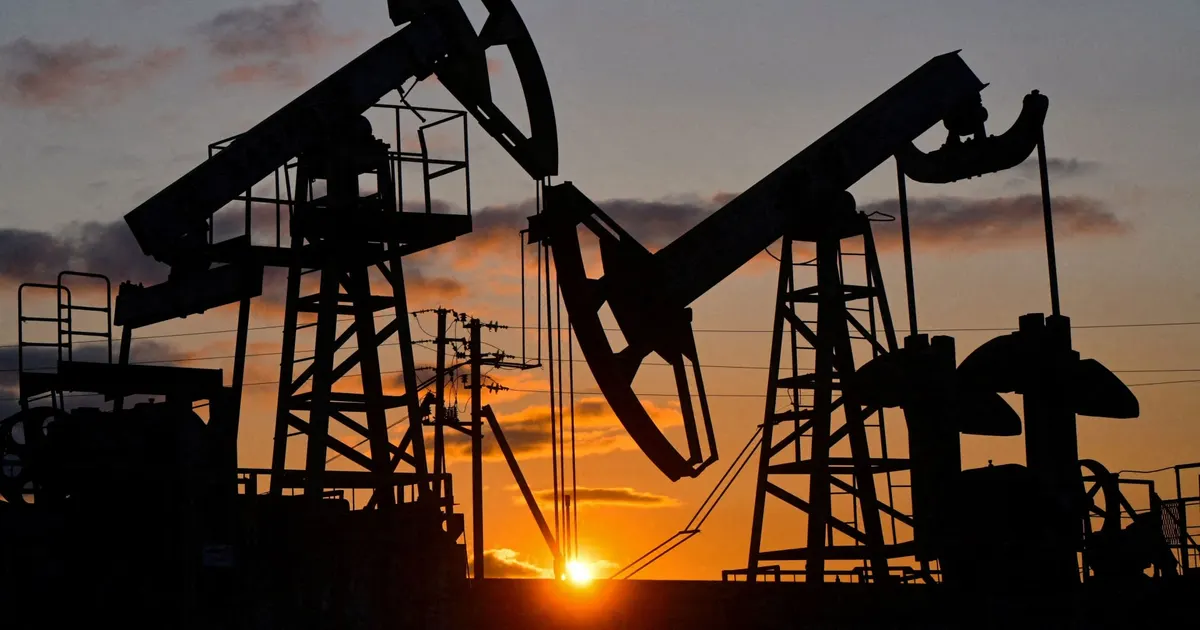
US crude futures fell nearly 12% to $83.85 a barrel and Brent lost 9% to $90.38 on Friday after Iran's foreign minister declared the Strait of Hormuz completely open during the Israel-Lebanon ceasefire. Araghchi said vessels must follow a coordinated route set by Iranian authorities.
Trump welcomed the move in a social media post.
The reopening removes a major supply disruption, so crude prices drop sharply. Lower energy costs reduce diesel and freight expenses for feed producers and may ease fertilizer prices over time.
 cnbc.comLee Ying Shan, Christina Cheddar Berk2026年4月17日
 profarmer.comBill Watts2026年4月17日
在过去 53 次看跌的地缘政治事件之后,大豆 在 5 个交易日内中位数变动 -0.3%(47% 上涨;中间一半区间为 -1.9% 至 +1.2%),20 个交易日内为 +1.0%。
在过去 87 次看跌的地缘政治事件之后,玉米 在 5 个交易日内中位数变动 +0.1%(51% 上涨;中间一半区间为 -1.5% 至 +2.1%),20 个交易日内为 +0.3%。
在过去 255 次看跌的地缘政治事件之后,原油(WTI) 在 5 个交易日内中位数变动 -2.4%(31% 上涨;中间一半区间为 -7.0% 至 +1.7%),20 个交易日内为 -5.0%。
在过去 250 次看跌的地缘政治事件之后,原油(Brent) 在 5 个交易日内中位数变动 -3.1%(36% 上涨;中间一半区间为 -7.9% 至 +1.6%),20 个交易日内为 -5.5%。
各商品基准价相对事件前最后收盘价的变动。历史数据汇总同类过往事件;仅描述已发生的情况,不代表未来走势。不构成投资建议。
Iran declaring Hormuz open on April 17 drove Brent down about 9% in one session, the main driver of the 5-day drop through April 20 via restored supply flows.
Reports on the same-day Hormuz opening announcement detail the Brent fall to about $90 and the WTI slide, matching the move's timing and mechanism.
