加载中…
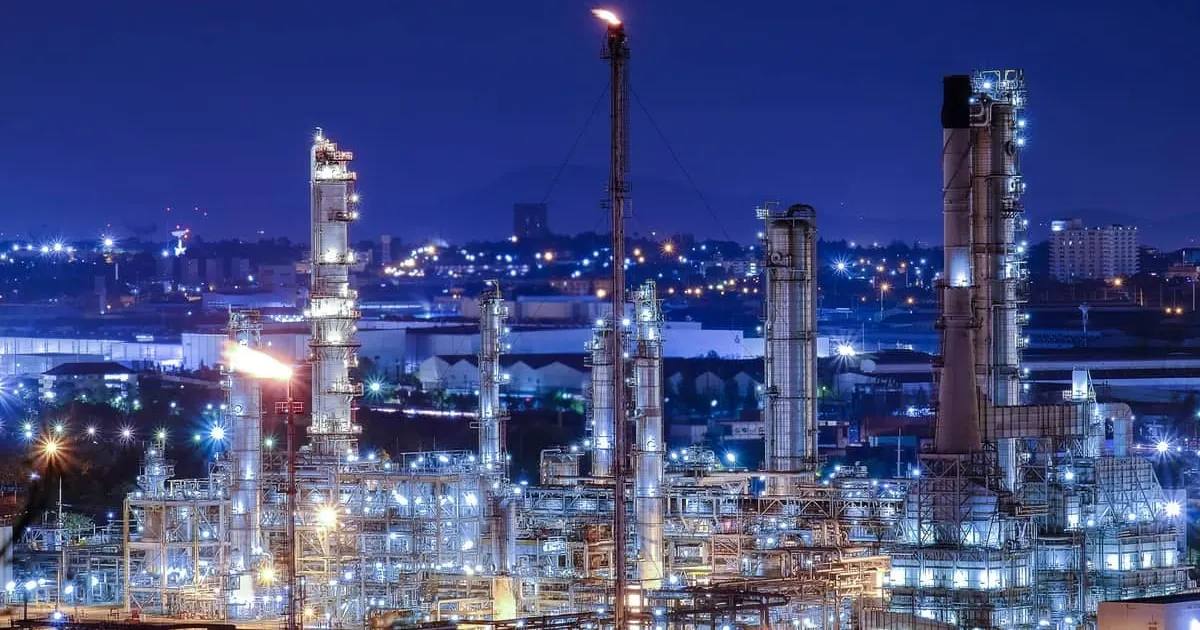
Oil markets plunged after OPEC talks with Russia collapsed, and Saudi Arabia signaled a price war. Saudi Arabia planned to raise output above 10 million b/d and cut its official selling differential by $6/b, believed to be the largest cut ever.
Analysts noted oil demand was falling because of the coronavirus slowdown.
Saudi output expansion and price cuts into a demand slump point to sharply lower crude and diesel prices. Cheaper diesel lowers trucking and farm fuel costs, though the price war adds volatility to energy-linked feed input costs.
 freightwaves.comJohn Kingston2020年3月9日
在过去 255 次看跌的地缘政治事件之后,原油(WTI) 在 5 个交易日内中位数变动 -2.4%(31% 上涨;中间一半区间为 -7.0% 至 +1.7%),20 个交易日内为 -5.0%。
在过去 250 次看跌的地缘政治事件之后,原油(Brent) 在 5 个交易日内中位数变动 -3.1%(36% 上涨;中间一半区间为 -7.9% 至 +1.6%),20 个交易日内为 -5.5%。
在过去 51 次看跌的地缘政治事件之后,ULSD / 柴油 在 5 个交易日内中位数变动 -2.4%(37% 上涨;中间一半区间为 -8.2% 至 +3.9%),20 个交易日内为 -2.3%。
各商品基准价相对事件前最后收盘价的变动。历史数据汇总同类过往事件;仅描述已发生的情况,不代表未来走势。不构成投资建议。
Saudi Arabia planned output above 10 million b/d and the largest-ever cut to official selling differentials, a supply surge against falling demand.
Describes Saudi plans to raise output above 10 million b/d and make record cuts to selling prices, plus weak coronavirus-hit demand, which directly pressures diesel prices; dated a day after the move.
It describes the Saudi plan to raise output above 10 million b/d and make a record cut to its selling differential, a supply factor behind the plunge, alongside weak coronavirus-hit demand.
