加载中…
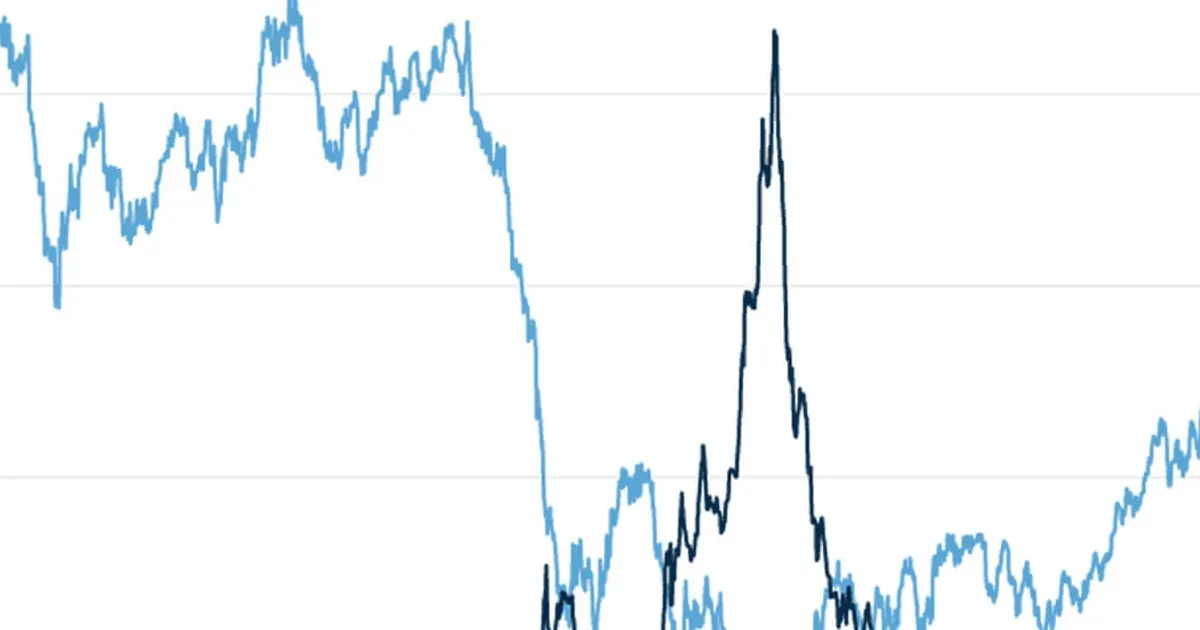
Oil prices fell more than 21% on March 9, 2020, the largest one-day drop since the Gulf War, after Russia refused OPEC supply cuts and Saudi Arabia announced a large output increase. The resulting price war hurt US shale producers, and high-yield credit spreads widened toward 2016 levels.
The price war removes the OPEC floor under crude and threatens US shale output, which lowers energy costs for feed buyers but raises financial stress across energy-linked sectors.
 commonfund.orgAuthor Commonfund Posts2020年3月16日
在过去 255 次看跌的地缘政治事件之后,原油(WTI) 在 5 个交易日内中位数变动 -2.4%(31% 上涨;中间一半区间为 -7.0% 至 +1.7%),20 个交易日内为 -5.0%。
在过去 250 次看跌的地缘政治事件之后,原油(Brent) 在 5 个交易日内中位数变动 -3.1%(36% 上涨;中间一半区间为 -7.9% 至 +1.6%),20 个交易日内为 -5.5%。
各商品基准价相对事件前最后收盘价的变动。历史数据汇总同类过往事件;仅描述已发生的情况,不代表未来走势。不构成投资建议。
Describes the March 9 price-war crash that set up the lower starting level for the later slide.
