加载中…
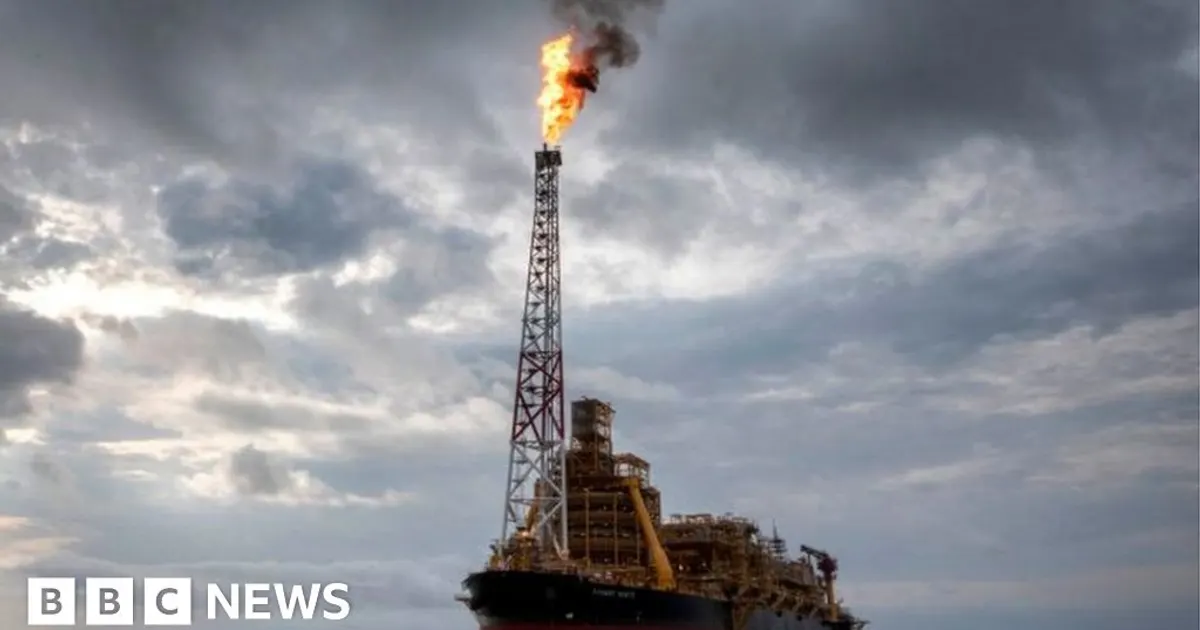
Oil prices crashed in Asia by around 30% on Monday as Saudi Arabia cut its official selling prices after Russia refused deep OPEC-backed production cuts. Brent fell to a low of $31.02 a barrel, near a 16-year low.
Expectations that producers will pump more to gain market share signal an oversupplied market, bearish for crude and energy-linked feed input values.
 bbc.comAdd as preferred on Google2020年3月9日
在过去 250 次看跌的地缘政治事件之后,原油(Brent) 在 5 个交易日内中位数变动 -3.1%(36% 上涨;中间一半区间为 -7.9% 至 +1.6%),20 个交易日内为 -5.5%。
在过去 255 次看跌的地缘政治事件之后,原油(WTI) 在 5 个交易日内中位数变动 -2.4%(31% 上涨;中间一半区间为 -7.0% 至 +1.7%),20 个交易日内为 -5.0%。
在过去 28 次看跌的地缘政治事件之后,豆油 在 5 个交易日内中位数变动 -2.7%(21% 上涨;中间一半区间为 -8.3% 至 -0.7%),20 个交易日内为 -2.1%。
各商品基准价相对事件前最后收盘价的变动。历史数据汇总同类过往事件;仅描述已发生的情况,不代表未来走势。不构成投资建议。
Brent crashed about 30% in Asia on March 9 after Saudi Arabia cut official selling prices following Russia's refusal to cut output.
Describes the Asian-session crash on March 9 as Saudi Arabia cut selling prices after Russia refused deep cuts, directly matching the move's timing and cause.
Brent fell to about $31 in Asia as producers started a price war after Russia refused deep cuts, directly reflecting the supply shock.
