加载中…
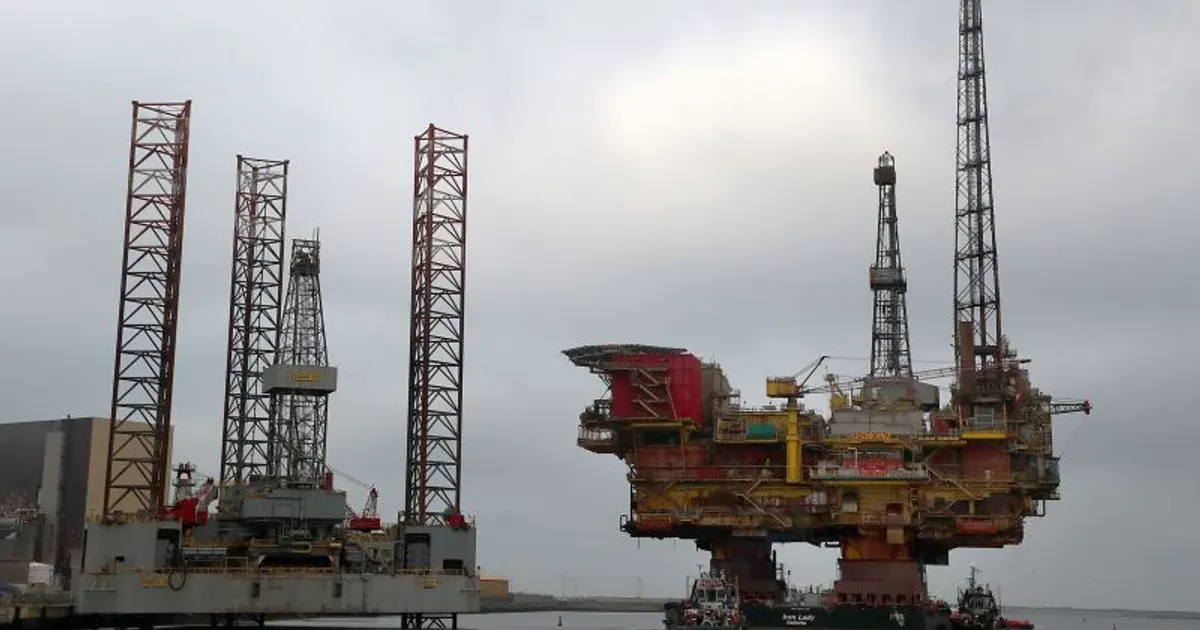
US crude oil prices crashed as much as 34% intraday to a four-year low of $27.34 a barrel as traders braced for Saudi Arabia to flood the market. WTI settled down nearly 26% at $31.13, while Brent closed down 24% at $33.36, both their worst days since 1991.
A price war and weak demand point to sustained oversupply, bearish for crude and energy-linked feed input costs such as biofuel feedstocks.
 cnn.comMatt Egan2020年3月8日
在过去 255 次看跌的地缘政治事件之后,原油(WTI) 在 5 个交易日内中位数变动 -2.4%(31% 上涨;中间一半区间为 -7.0% 至 +1.7%),20 个交易日内为 -5.0%。
在过去 250 次看跌的地缘政治事件之后,原油(Brent) 在 5 个交易日内中位数变动 -3.1%(36% 上涨;中间一半区间为 -7.9% 至 +1.6%),20 个交易日内为 -5.5%。
在过去 28 次看跌的地缘政治事件之后,豆油 在 5 个交易日内中位数变动 -2.7%(21% 上涨;中间一半区间为 -8.3% 至 -0.7%),20 个交易日内为 -2.1%。
各商品基准价相对事件前最后收盘价的变动。历史数据汇总同类过往事件;仅描述已发生的情况,不代表未来走势。不构成投资建议。
Brent closed down 24% in its worst day since 1991 as Saudi Arabia launched a price war, accounting for most of the 5-day decline.
It documents the crash in Brent and WTI as Saudi Arabia launched its price war, which is the move itself and its supply-driven cause.
Documents the crash as Saudi Arabia launched its price war, with Brent closing down about 24% and traders bracing for a market flood; its dating to March 8 is likely a weekend or timezone artifact.
The worst crude daily drop since 1991 intensified energy-linked selling across vegetable oils.
