加载中…
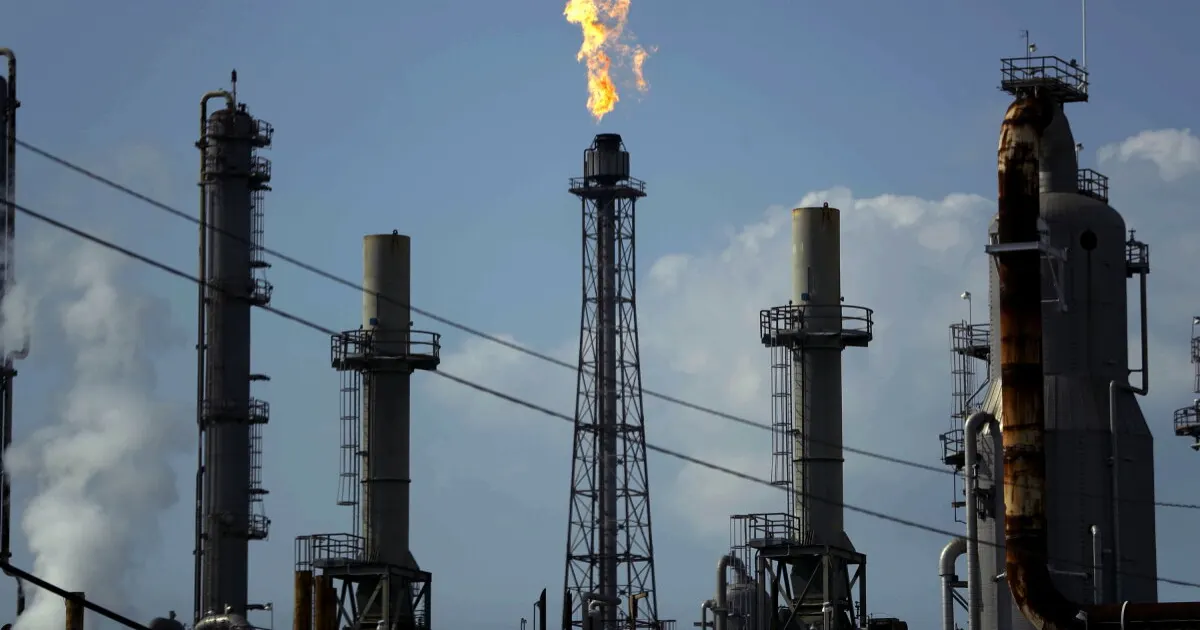
Oil markets melted down as coronavirus outbreaks cut travel and transport, sharply reducing fuel demand; Brent had fallen from $69 at the start of the year to about $50. OPEC and non-member countries then failed to agree on a proposed production cut of 1.5 million barrels a day.
Combined demand destruction and a failed supply cut point to a glut, keeping crude and related energy prices under downward pressure and weighing on biofuel-linked feed inputs.
 apnews.comDAVID McHUGH2020年3月9日
在过去 250 次看跌的地缘政治事件之后,原油(Brent) 在 5 个交易日内中位数变动 -3.1%(36% 上涨;中间一半区间为 -7.9% 至 +1.6%),20 个交易日内为 -5.5%。
在过去 255 次看跌的地缘政治事件之后,原油(WTI) 在 5 个交易日内中位数变动 -2.4%(31% 上涨;中间一半区间为 -7.0% 至 +1.7%),20 个交易日内为 -5.0%。
在过去 28 次看跌的地缘政治事件之后,豆油 在 5 个交易日内中位数变动 -2.7%(21% 上涨;中间一半区间为 -8.3% 至 -0.7%),20 个交易日内为 -2.1%。
各商品基准价相对事件前最后收盘价的变动。历史数据汇总同类过往事件;仅描述已发生的情况,不代表未来走势。不构成投资建议。
It explains the two-sided shock: coronavirus travel curbs cut fuel demand while OPEC+ failed to agree on a 1.5 mb/d cut.
Explains the demand-side coronavirus shock and the failed OPEC+ agreement on a 1.5 mb/d cut as the combined backdrop for the meltdown.
