加载中…
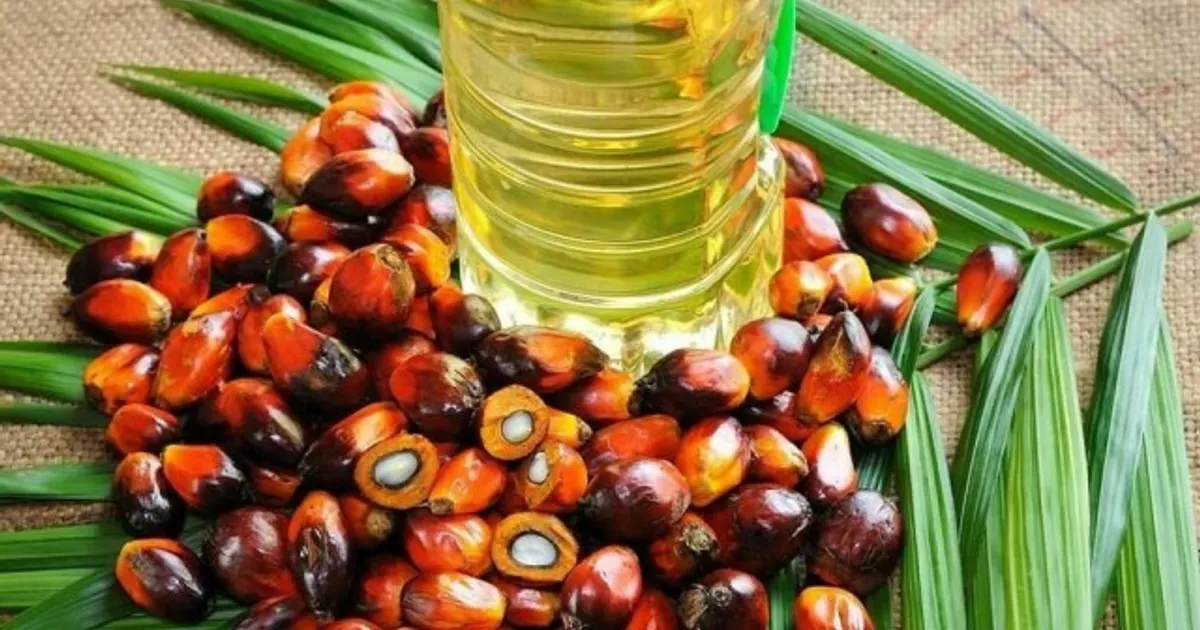
Malaysian palm oil futures plunged as much as 9.8% on March 14, erasing part of a recent gain of about 20%. The drop followed weaker Dalian oils and crude, and Argentina's halt on soy oil and meal registrations.
Argentina's export halt is seen as slightly bearish since traders expect higher export taxes that would lower local prices, while falling crude and rival oils pressure palm prices.
 brecorder.comReuters2022年3月14日
在过去 12 次看跌的地缘政治事件之后,棕榈油 在 5 个交易日内中位数变动 -4.5%(17% 上涨;中间一半区间为 -5.9% 至 -2.3%),20 个交易日内为 -6.2%。
在过去 28 次看跌的地缘政治事件之后,豆油 在 5 个交易日内中位数变动 -2.7%(21% 上涨;中间一半区间为 -8.3% 至 -0.7%),20 个交易日内为 -2.1%。
在过去 62 次地缘政治事件之后,豆粕 在 5 个交易日内中位数变动 -0.1%(47% 上涨;中间一半区间为 -2.4% 至 +3.0%),20 个交易日内为 -0.4%。
在过去 255 次看跌的地缘政治事件之后,原油(WTI) 在 5 个交易日内中位数变动 -2.4%(31% 上涨;中间一半区间为 -7.0% 至 +1.7%),20 个交易日内为 -5.0%。
各商品基准价相对事件前最后收盘价的变动。历史数据汇总同类过往事件;仅描述已发生的情况,不代表未来走势。不构成投资建议。
A near-10% plunge in Malaysian palm oil on March 14 on weaker Dalian oils and crude dragged on competing vegetable oils such as soybean oil via substitution and sentiment, even as the Argentina halt had been expected to be supportive.
Malaysian palm oil plunged nearly 10% on March 14 as Dalian oils and crude weakened, dragging competing vegetable oils such as soybean oil lower through substitution and sentiment.
Palm plunged nearly 10% on weaker Dalian oils and crude, signalling vegoil-complex liquidation after a ~20% rally that likely carried into soybean oil.
