加载中…
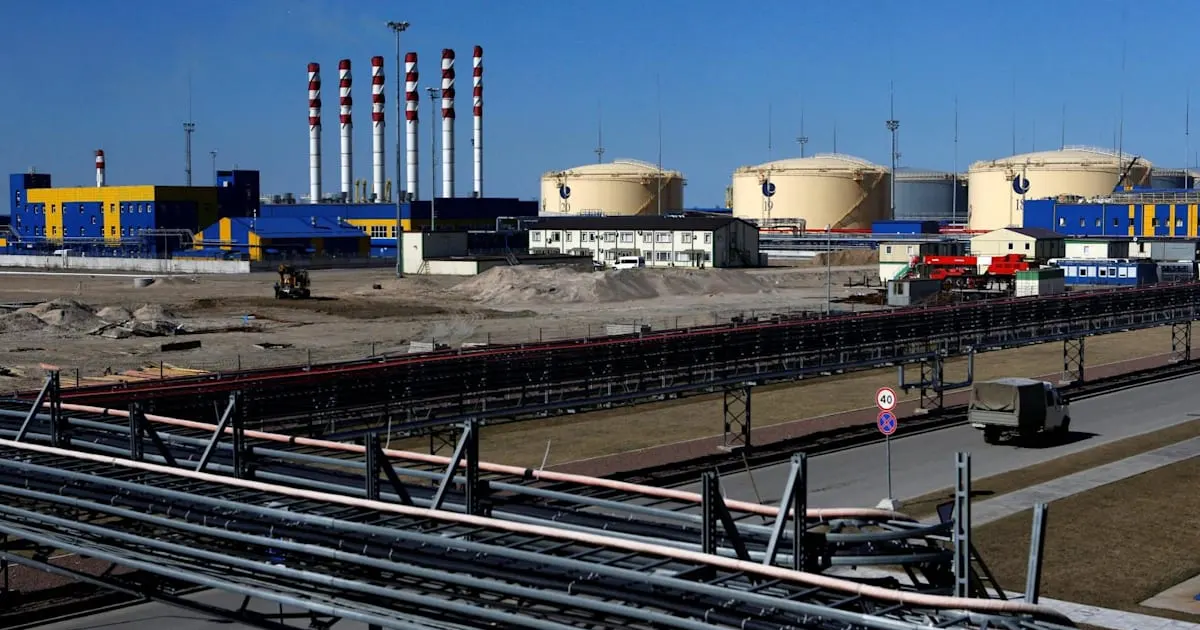
Oil prices fell on 14 April as signs of possible talks to end the US-Israeli war on Iran eased supply risks tied to the blockade of the Strait of Hormuz. Brent slipped about 0.6% to US$98.74 and WTI fell 2.3% to US$96.78.
The IEA said March saw the largest oil supply disruption in history, with 10.1 million barrels per day lost, and expects demand to slump sharply in the second quarter.
Crude prices feed directly into diesel, fertilizer and freight costs for feed production and transport, and biofuel demand for soybean oil. Talks-driven declines lower energy input costs but physical supply losses limit how far the price can fall.
 channelnewsasia.com2026年4月13日
在过去 250 次看跌的地缘政治事件之后,原油(Brent) 在 5 个交易日内中位数变动 -3.1%(36% 上涨;中间一半区间为 -7.9% 至 +1.6%),20 个交易日内为 -5.5%。
在过去 255 次看跌的地缘政治事件之后,原油(WTI) 在 5 个交易日内中位数变动 -2.4%(31% 上涨;中间一半区间为 -7.0% 至 +1.7%),20 个交易日内为 -5.0%。
在过去 51 次看跌的地缘政治事件之后,ULSD / 柴油 在 5 个交易日内中位数变动 -2.4%(37% 上涨;中间一半区间为 -8.2% 至 +3.9%),20 个交易日内为 -2.3%。
在过去 28 次看跌的地缘政治事件之后,豆油 在 5 个交易日内中位数变动 -2.7%(21% 上涨;中间一半区间为 -8.3% 至 -0.7%),20 个交易日内为 -2.1%。
各商品基准价相对事件前最后收盘价的变动。历史数据汇总同类过往事件;仅描述已发生的情况,不代表未来走势。不构成投资建议。
