読み込み中…
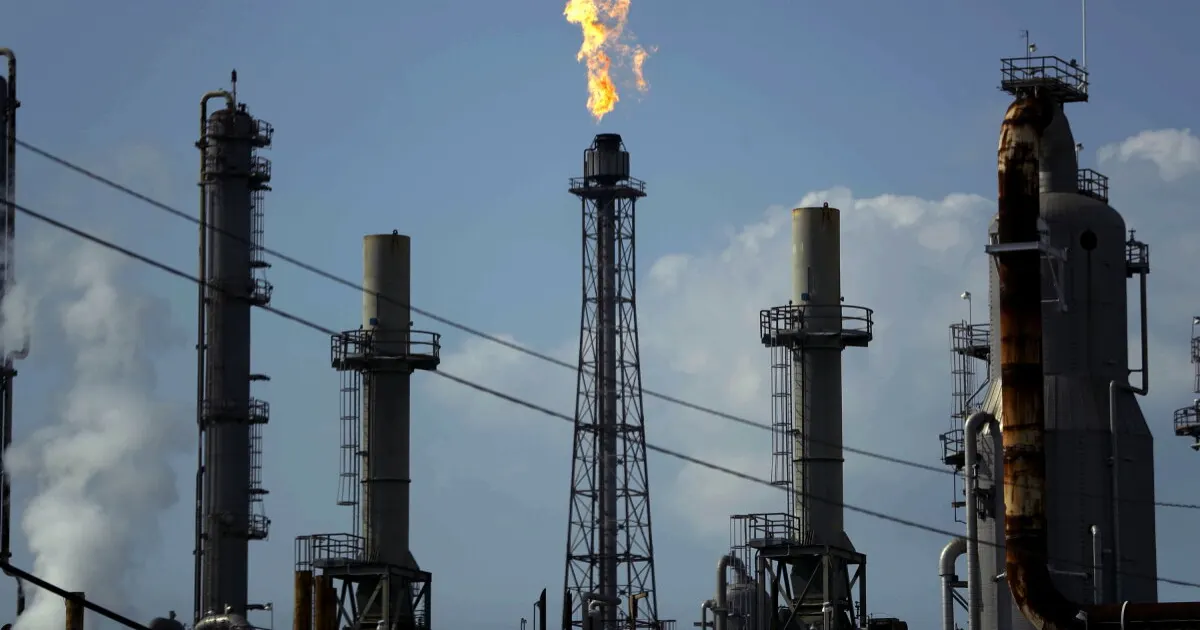
Oil markets melted down as coronavirus outbreaks cut travel and transport, sharply reducing fuel demand; Brent had fallen from $69 at the start of the year to about $50. OPEC and non-member countries then failed to agree on a proposed production cut of 1.5 million barrels a day.
Combined demand destruction and a failed supply cut point to a glut, keeping crude and related energy prices under downward pressure and weighing on biofuel-linked feed inputs.
 apnews.comDAVID McHUGH2020/03/09
過去の弱気な地政学イベント250件の後、原油(ブレント) は5営業日で中央値 -3.1% 動き(36% が上昇。中央50%は -7.9% から +1.6%)、20営業日では -5.5% 動きました。
過去の弱気な地政学イベント255件の後、原油(WTI) は5営業日で中央値 -2.4% 動き(31% が上昇。中央50%は -7.0% から +1.7%)、20営業日では -5.0% 動きました。
過去の弱気な地政学イベント28件の後、大豆油 は5営業日で中央値 -2.7% 動き(21% が上昇。中央50%は -8.3% から -0.7%)、20営業日では -2.1% 動きました。
イベント直前の終値からの各商品ベンチマークの動き。過去の傾向は同種の過去イベントをまとめたものであり、起きたことを示すもので、今後を示すものではありません。投資助言ではありません。
It explains the two-sided shock: coronavirus travel curbs cut fuel demand while OPEC+ failed to agree on a 1.5 mb/d cut.
Explains the demand-side coronavirus shock and the failed OPEC+ agreement on a 1.5 mb/d cut as the combined backdrop for the meltdown.
