読み込み中…
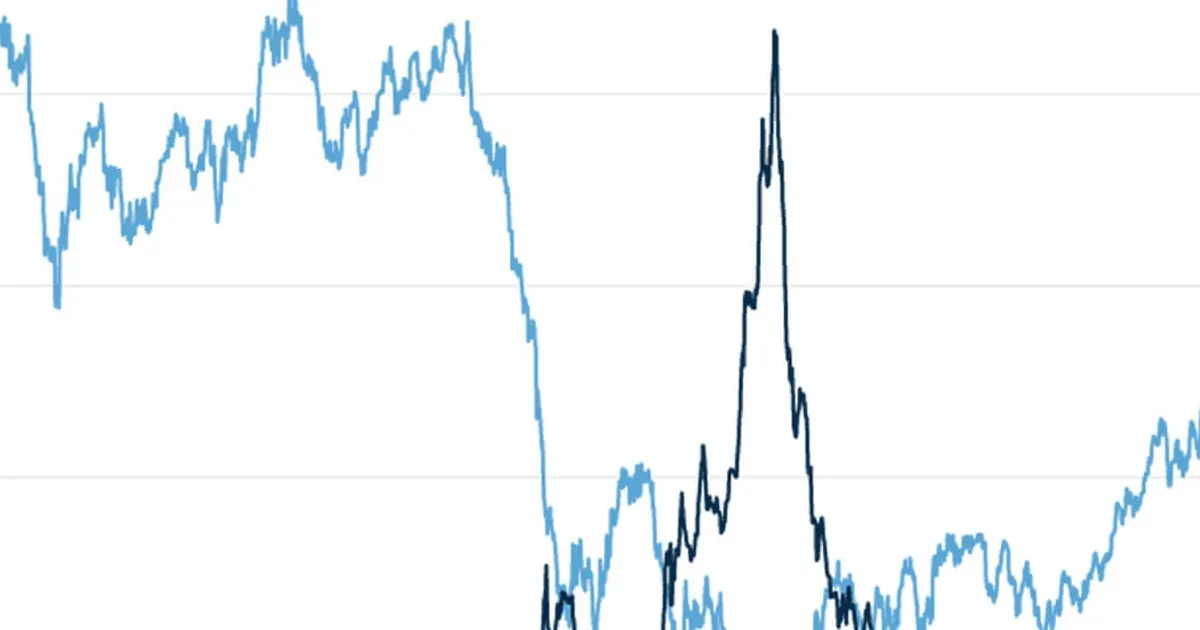
Oil prices fell more than 21% on March 9, 2020, the largest one-day drop since the Gulf War, after Russia refused OPEC supply cuts and Saudi Arabia announced a large output increase. The resulting price war hurt US shale producers, and high-yield credit spreads widened toward 2016 levels.
The price war removes the OPEC floor under crude and threatens US shale output, which lowers energy costs for feed buyers but raises financial stress across energy-linked sectors.
 commonfund.orgAuthor Commonfund Posts2020/03/16
過去の弱気な地政学イベント255件の後、原油(WTI) は5営業日で中央値 -2.4% 動き(31% が上昇。中央50%は -7.0% から +1.7%)、20営業日では -5.0% 動きました。
過去の弱気な地政学イベント250件の後、原油(ブレント) は5営業日で中央値 -3.1% 動き(36% が上昇。中央50%は -7.9% から +1.6%)、20営業日では -5.5% 動きました。
イベント直前の終値からの各商品ベンチマークの動き。過去の傾向は同種の過去イベントをまとめたものであり、起きたことを示すもので、今後を示すものではありません。投資助言ではありません。
Describes the March 9 price-war crash that set up the lower starting level for the later slide.
