読み込み中…
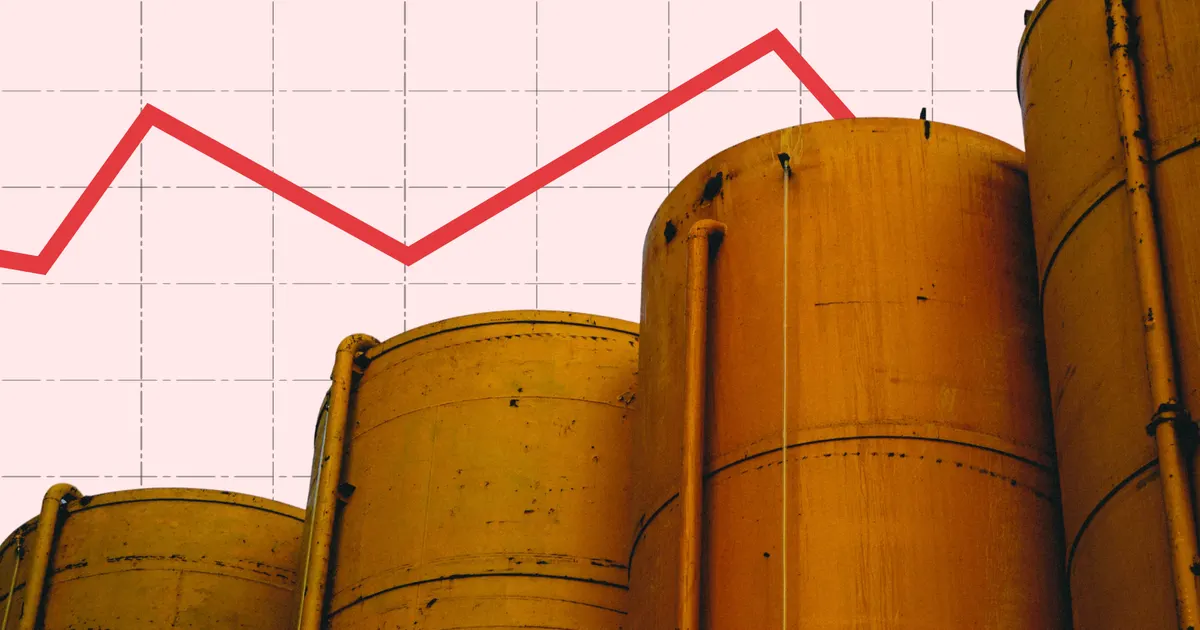
WTI crude fell roughly 15% after a two-week US-Iran ceasefire was announced, conditional on reopening the Strait of Hormuz. The article says the drop reflected a rapid unwinding of the risk premium built into front-month contracts and physical differentials.
Crude remains well above pre-war levels, and flows have yet to be confirmed through actual cargo movement.
Lower crude reduces energy and freight costs and weakens the biofuel pull on soybean oil. Because prices remain above pre-war levels and physical supply is unconfirmed, renewed disruption could quickly reverse the decline.
 equiti.comYazeed Abu Summaqa2026/04/08
過去の弱気な地政学イベント255件の後、原油(WTI) は5営業日で中央値 -2.4% 動き(31% が上昇。中央50%は -7.0% から +1.7%)、20営業日では -5.0% 動きました。
過去の弱気な地政学イベント250件の後、原油(ブレント) は5営業日で中央値 -3.1% 動き(36% が上昇。中央50%は -7.9% から +1.6%)、20営業日では -5.5% 動きました。
過去の弱気な地政学イベント28件の後、大豆油 は5営業日で中央値 -2.7% 動き(21% が上昇。中央50%は -8.3% から -0.7%)、20営業日では -2.1% 動きました。
イベント直前の終値からの各商品ベンチマークの動き。過去の傾向は同種の過去イベントをまとめたものであり、起きたことを示すもので、今後を示すものではありません。投資助言ではありません。
Explains the roughly 15% WTI drop as an unwinding of the war risk premium after the ceasefire, conditional on reopening Hormuz.
