Memuat…
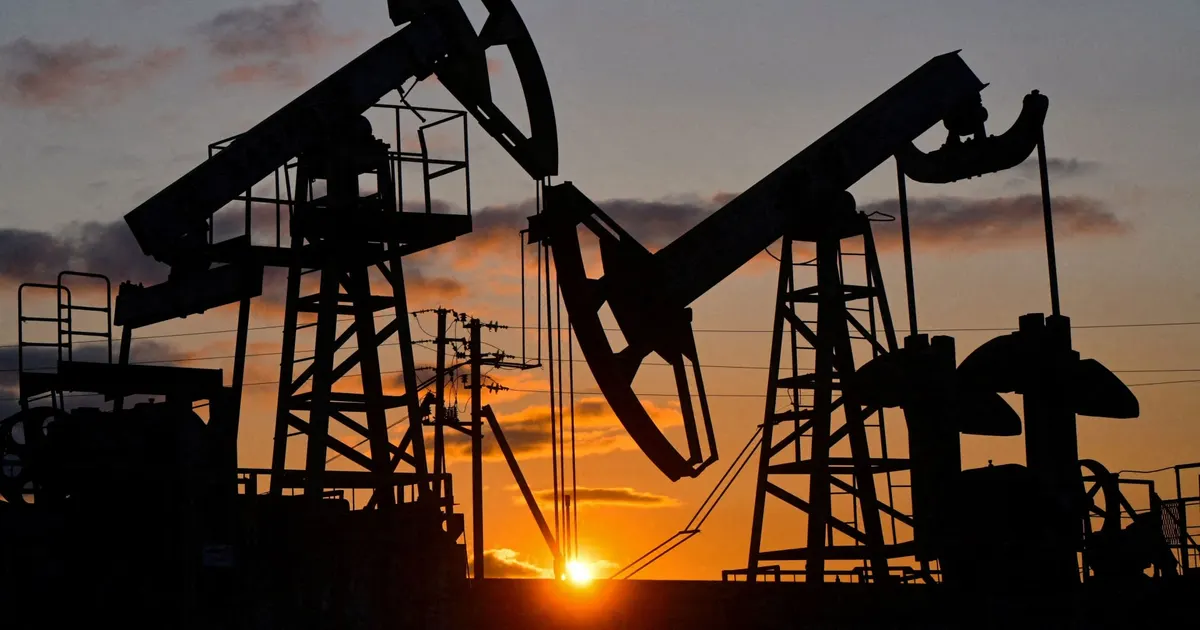
US crude futures fell nearly 12% to $83.85 a barrel and Brent lost 9% to $90.38 on Friday after Iran's foreign minister declared the Strait of Hormuz completely open during the Israel-Lebanon ceasefire. Araghchi said vessels must follow a coordinated route set by Iranian authorities.
Trump welcomed the move in a social media post.
The reopening removes a major supply disruption, so crude prices drop sharply. Lower energy costs reduce diesel and freight expenses for feed producers and may ease fertilizer prices over time.
 cnbc.comLee Ying Shan, Christina Cheddar Berk17 Apr 2026
 profarmer.comBill Watts17 Apr 2026
Setelah 53 peristiwa geopolitik bearish sebelumnya, Kedelai bergerak median -0,3% selama 5 sesi (47% lebih tinggi; separuh tengah -1,9% sampai +1,2%), dan +1,0% selama 20 sesi.
Setelah 87 peristiwa geopolitik bearish sebelumnya, Jagung bergerak median +0,1% selama 5 sesi (51% lebih tinggi; separuh tengah -1,5% sampai +2,1%), dan +0,3% selama 20 sesi.
Setelah 255 peristiwa geopolitik bearish sebelumnya, Minyak Mentah (WTI) bergerak median -2,4% selama 5 sesi (31% lebih tinggi; separuh tengah -7,0% sampai +1,7%), dan -5,0% selama 20 sesi.
Setelah 250 peristiwa geopolitik bearish sebelumnya, Minyak Mentah (Brent) bergerak median -3,1% selama 5 sesi (36% lebih tinggi; separuh tengah -7,9% sampai +1,6%), dan -5,5% selama 20 sesi.
Pergerakan benchmark setiap komoditas dari penutupan terakhir sebelum peristiwa. Pembacaan historis menggabungkan peristiwa serupa di masa lalu; itu menggambarkan apa yang terjadi, bukan apa yang akan terjadi. Bukan nasihat investasi.
Iran declaring Hormuz open on April 17 drove Brent down about 9% in one session, the main driver of the 5-day drop through April 20 via restored supply flows.
Reports on the same-day Hormuz opening announcement detail the Brent fall to about $90 and the WTI slide, matching the move's timing and mechanism.
