Memuat…
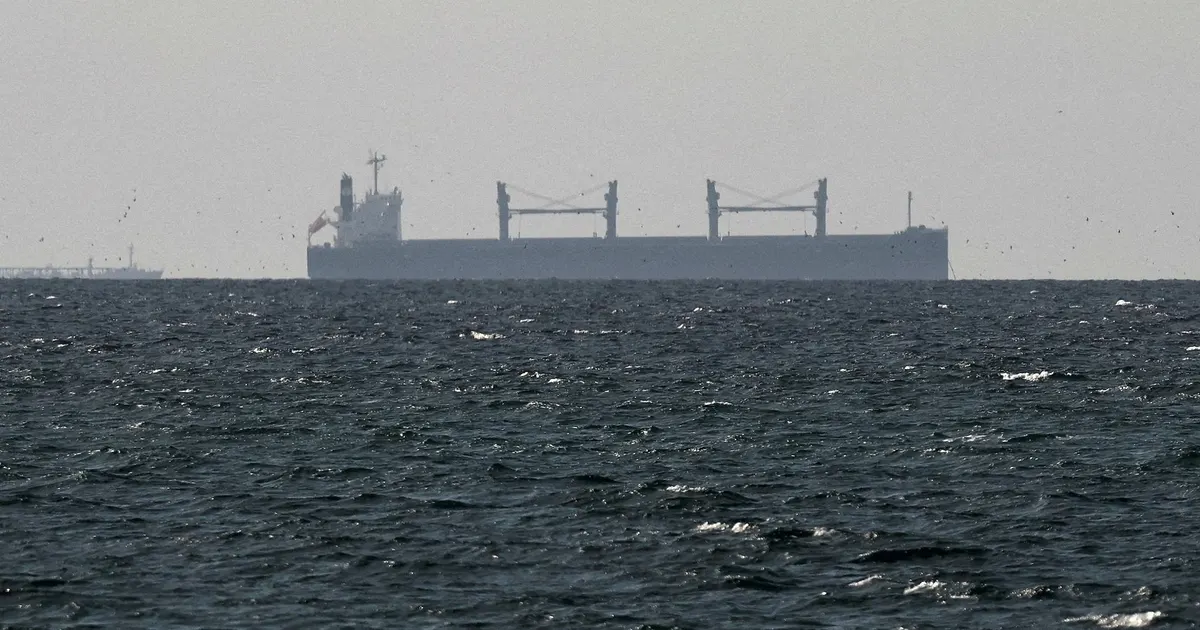
Oil fell about 9% on Friday after Iran declared the Strait of Hormuz open, easing supply fears. Trump said the US would recover enriched uranium at a leisurely pace while talks on a memorandum to end the war continued.
A US military blockade of Iran remains in effect.
Reopening Hormuz eases the geopolitical risk premium and tightens-to-loosens physical crude flows, pushing energy prices lower. Lower diesel and crude costs also ease feed transport and fertilizer input pressures, while the blockade keeps the reversal risk alive.
 reuters.comGeorgina Mccartney17 Apr 2026
Setelah 255 peristiwa geopolitik bearish sebelumnya, Minyak Mentah (WTI) bergerak median -2,4% selama 5 sesi (31% lebih tinggi; separuh tengah -7,0% sampai +1,7%), dan -5,0% selama 20 sesi.
Setelah 250 peristiwa geopolitik bearish sebelumnya, Minyak Mentah (Brent) bergerak median -3,1% selama 5 sesi (36% lebih tinggi; separuh tengah -7,9% sampai +1,6%), dan -5,5% selama 20 sesi.
Setelah 51 peristiwa geopolitik bearish sebelumnya, ULSD / Solar bergerak median -2,4% selama 5 sesi (37% lebih tinggi; separuh tengah -8,2% sampai +3,9%), dan -2,3% selama 20 sesi.
Setelah 15 peristiwa geopolitik bearish sebelumnya, Gas Alam bergerak median -1,1% selama 5 sesi (40% lebih tinggi; separuh tengah -9,2% sampai +2,4%), dan +4,7% selama 20 sesi.
Pergerakan benchmark setiap komoditas dari penutupan terakhir sebelum peristiwa. Pembacaan historis menggabungkan peristiwa serupa di masa lalu; itu menggambarkan apa yang terjadi, bukan apa yang akan terjadi. Bukan nasihat investasi.
Iran declaring the Strait of Hormuz open on Apr 17 eased supply-disruption fears and drove the ~9% one-day Brent drop directly.
Oil settled down about 9% on Friday as Hormuz reopening eased supply fears, directly within the 5-day window.
