Memuat…
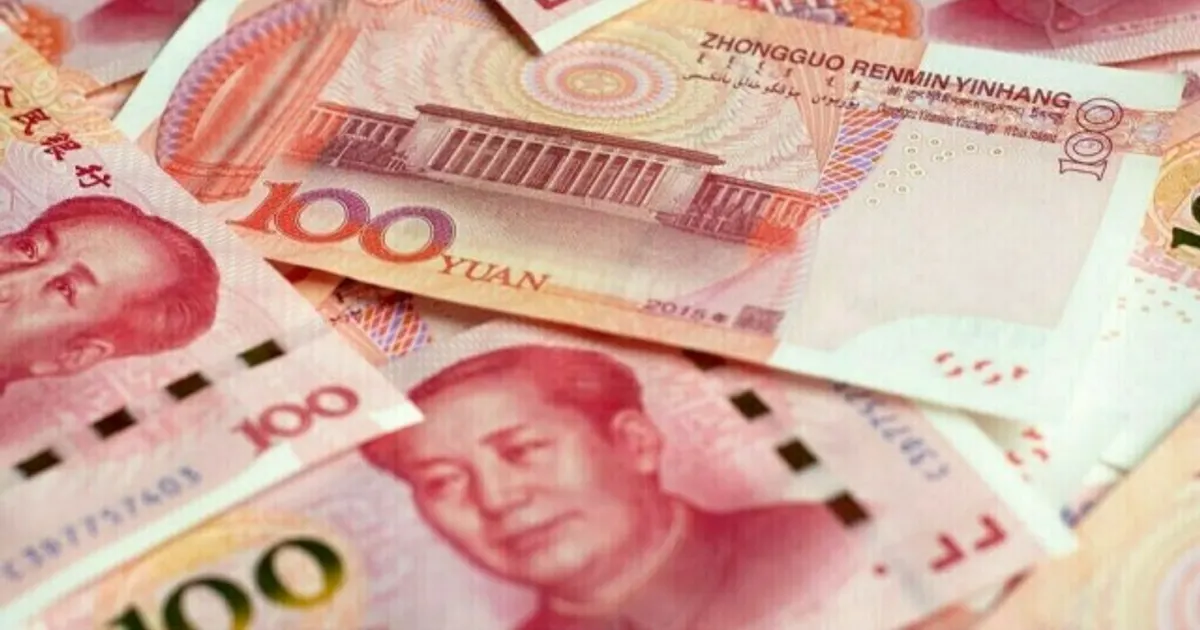
The yuan touched a more than two-year low against the dollar on Sept. 5, pressured by broad dollar strength and a resurgence of COVID-19 infections.
Shenzhen adopted tiered anti-virus restrictions and Chengdu extended lockdown curbs, while the PBOC set firmer-than-expected fixings.
Renewed COVID restrictions weaken Chinese economic activity and feed demand, and a weaker yuan raises the dollar cost of imports, both bearish for feed ingredient purchases.
 brecorder.comReuters5 Sep 2022
Setelah 487 peristiwa bullish dari jenis apa pun sebelumnya, Yuan Tiongkok (CNY per USD) bergerak median +0,1% selama 5 sesi (56% lebih tinggi; separuh tengah -0,3% sampai +0,6%), dan +0,1% selama 20 sesi.
Setelah 50 peristiwa penyakit bearish sebelumnya, Kedelai bergerak median +0,5% selama 5 sesi (58% lebih tinggi; separuh tengah -1,7% sampai +2,4%), dan +0,0% selama 20 sesi.
Setelah 117 peristiwa penyakit bearish sebelumnya, Babi Hidup (Lean Hogs) bergerak median -0,6% selama 5 sesi (36% lebih tinggi; separuh tengah -2,2% sampai +1,6%), dan +1,2% selama 20 sesi.
Pergerakan benchmark setiap komoditas dari penutupan terakhir sebelum peristiwa. Pembacaan historis menggabungkan peristiwa serupa di masa lalu; itu menggambarkan apa yang terjadi, bukan apa yang akan terjadi. Bukan nasihat investasi.
Dollar strength and COVID resurgence pushed the yuan to a two-year low on Sept. 5, setting the extreme starting point for the sharp reversal and contributing to the volatility.
