Loading…
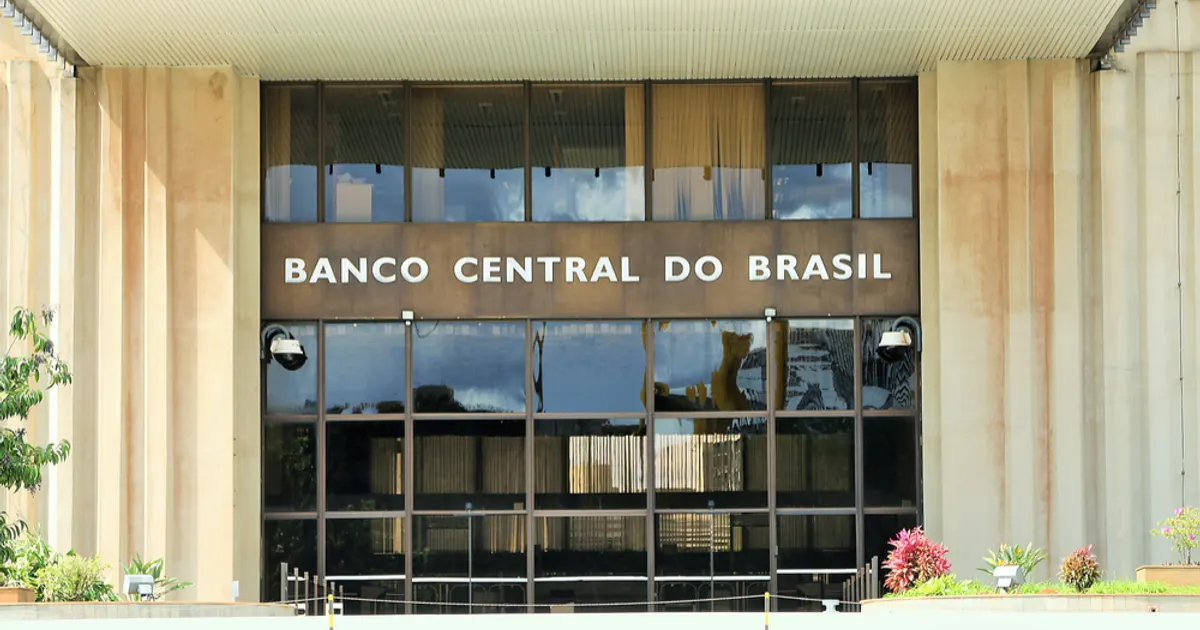
Brazil's central bank kept the Selic rate at 6.50% at its 16 May meeting, ending a run of twelve consecutive cuts, against consensus expectations of a 25 bps cut. The decision followed a sharp 12% fall in the real against the dollar since March, which shifted the balance of risks toward higher inflation.
The bank signaled the rate would be held steady, marking the end of the easing cycle.
A halt to rate cuts and a weaker real raise Brazil's domestic inflation risk and make Brazilian export origin cheaper in dollar terms, which weighs on world feed prices. Higher domestic borrowing costs could also slow Brazilian livestock and feed-using sectors.
 latribune.lazardfreresgestion.frLazard Freres GestionMay 22, 2018
After 301 past bullish macro events, Brazilian Real (BRL per USD) moved a median +0.4% over 5 sessions (57% higher; middle half -1.2% to +1.7%), and +1.0% over 20.
Moves of each commodity's benchmark from the last close before the event. Historical reads pool past events of the same kind; they describe what happened, not what will. Not investment advice.
