Loading…
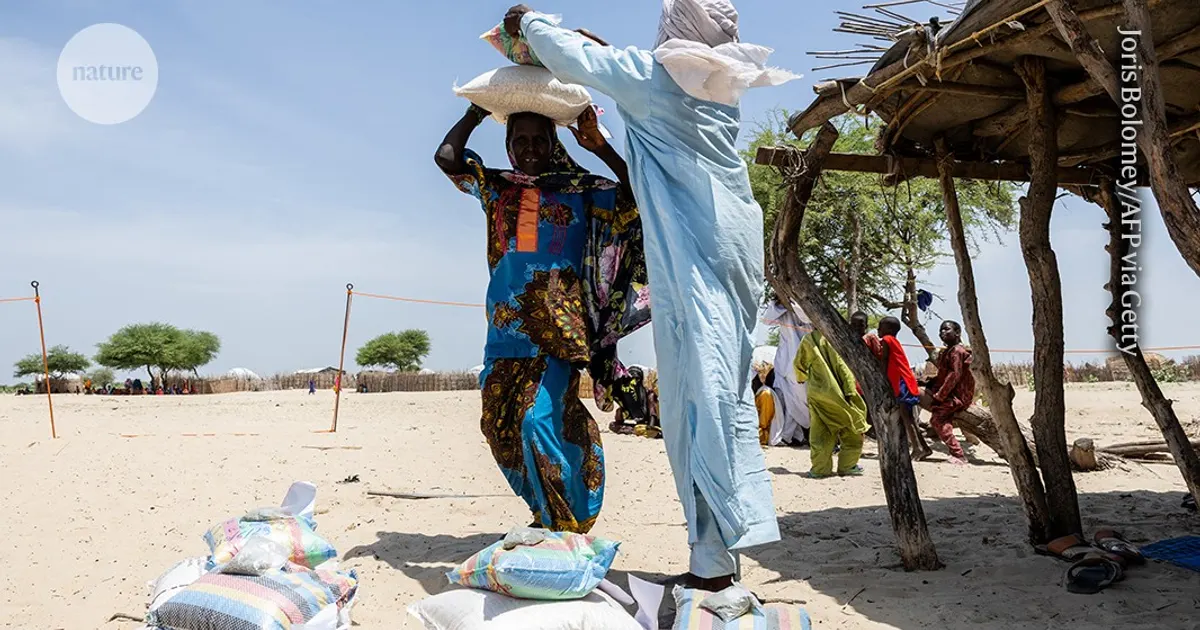
The article warns that the 2026–27 El Niño could bring severe weather, food shortages, and disease risks, with low rainfall already affecting Panama and Indonesia and Brazil preparing for wildfires. It argues that food-supply disruptions and related health impacts should be addressed together.
Weather extremes could disrupt crop production in affected regions and tighten supplies, potentially supporting food and feed prices. The article does not identify specific crops or quantify production losses.
 nature.comMcLaughlin, Eoin, Beck, MatthiasNov 9, 2026
After 2,467 past weather events, Corn moved a median +0.1% over 5 sessions (51% higher; middle half -1.5% to +1.7%), and +0.6% over 20.
After 1,964 past weather events, Soybeans moved a median +0.1% over 5 sessions (51% higher; middle half -1.7% to +1.8%), and +0.3% over 20.
After 1,773 past weather events, Wheat (SRW) moved a median +0.1% over 5 sessions (52% higher; middle half -1.5% to +2.1%), and +0.2% over 20.
After 361 past weather events, Palm Oil moved a median +0.0% over 5 sessions (51% higher; middle half -1.3% to +1.3%), and -0.2% over 20.
Moves of each commodity's benchmark from the last close before the event. Historical reads pool past events of the same kind; they describe what happened, not what will. Not investment advice.
