Loading…
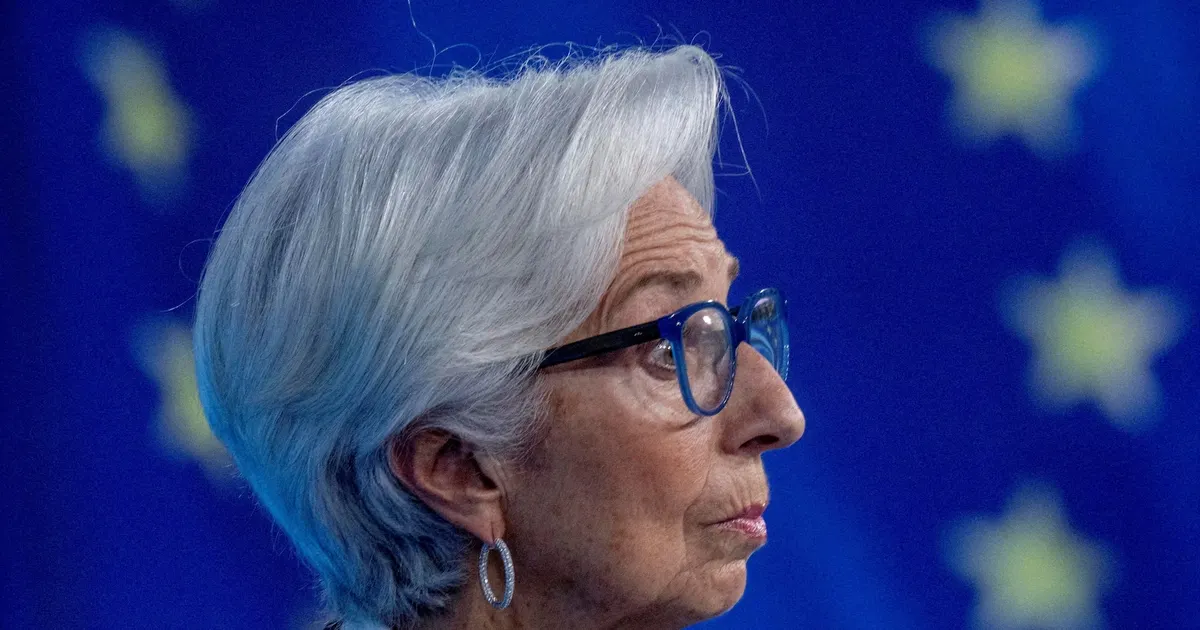
Breakingviews reported that the euro's slide during the Ukraine conflict is intensifying pressure on ECB President Christine Lagarde. The euro zone is more exposed than other regions to the fallout from the invasion and sanctions, given its trade and energy ties to Russia.
The weaker currency is expected to make imports more expensive and worsen high inflation.
A weaker euro raises the cost of dollar-priced feed imports for European buyers, and inflation-driven policy uncertainty adds to currency volatility affecting feed commodity purchasing.
 reuters.comSwaha PattanaikMar 4, 2022
After 533 past bearish macro events, Euro (USD per EUR) moved a median -0.3% over 5 sessions (33% higher; middle half -1.2% to +0.2%), and -0.5% over 20.
Moves of each commodity's benchmark from the last close before the event. Historical reads pool past events of the same kind; they describe what happened, not what will. Not investment advice.
Europe's greater exposure to energy and trade fallout from sanctions was weighing on the euro and complicating ECB policy, a sentiment and fundamental channel.
