Loading…
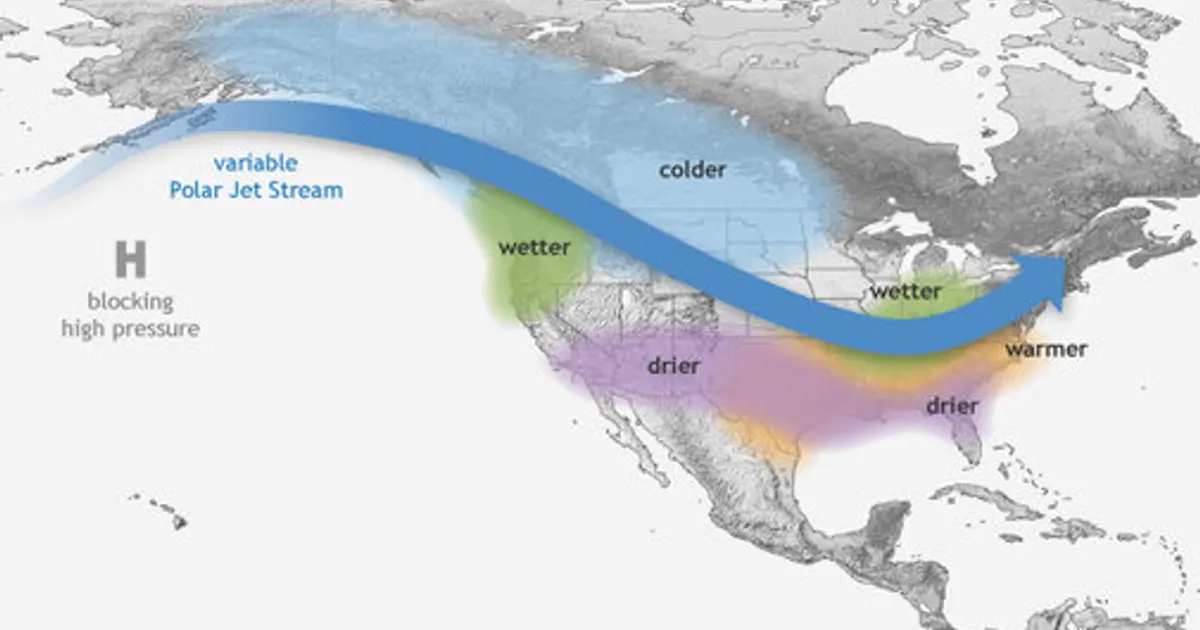
A University of Nebraska CropWatch piece explains the Climate Prediction Center's La Niña Watch, which raised the odds of a La Niña during the North American winter to 55-65%. It outlines the jet stream and high-pressure patterns typically associated with La Niña and how they shape regional precipitation.
A La Niña winter typically brings cooler, wetter conditions to the northern Corn Belt and drier risk to the southern Plains, which can affect planting prospects and feed grain supply expectations. Traders often price weather risk ahead of confirmed events, so this can support corn and soybean prices modestly.
 cropwatch.unl.eduOct 24, 2017
After 1,465 past bullish weather events, Corn moved a median +0.2% over 5 sessions (54% higher; middle half -1.4% to +1.9%), and +0.9% over 20.
After 1,079 past bullish weather events, Soybeans moved a median +0.3% over 5 sessions (54% higher; middle half -1.4% to +2.0%), and +0.9% over 20.
After 1,072 past bullish weather events, Wheat (SRW) moved a median +0.2% over 5 sessions (55% higher; middle half -1.4% to +2.3%), and +0.3% over 20.
Moves of each commodity's benchmark from the last close before the event. Historical reads pool past events of the same kind; they describe what happened, not what will. Not investment advice.
