Loading…
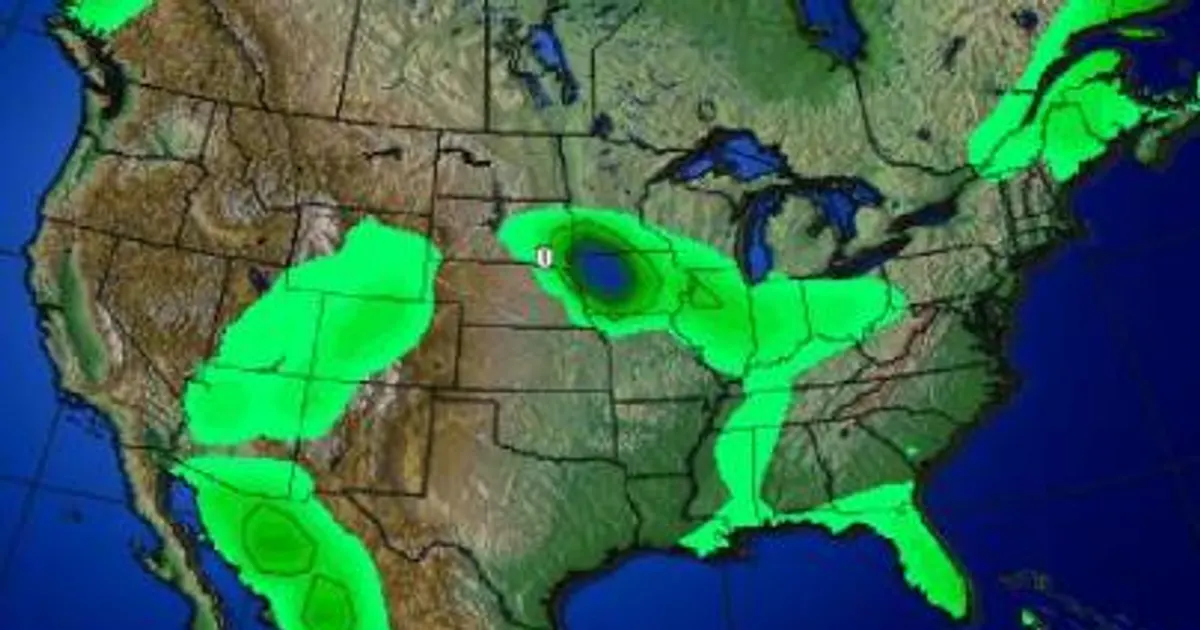
Wynnstay reports November wheat futures fell from a high of £154.75 to close the week at £149. A bearish USDA report that raised winter wheat and lowered spring wheat, combined with rain forecasts for drought-stressed areas, drove prices lower.
CBOT wheat fell about $14/t from Wednesday to Thursday.
Rain forecasts easing US drought concerns reduce the wheat price premium, which lowers feed wheat costs for UK and EU buyers. The author views the earlier rally as an overreaction, suggesting further downside if weather holds.
 feedsandpullets.co.ukHumphrey Feeds, PulletsJul 14, 2017
After 334 past bearish weather events, Wheat (SRW) moved a median -0.2% over 5 sessions (47% higher; middle half -1.9% to +1.7%), and -0.2% over 20.
After 357 past bearish weather events, Corn moved a median -0.3% over 5 sessions (44% higher; middle half -2.2% to +1.3%), and -0.5% over 20.
After 363 past bearish weather events, Soybeans moved a median -0.6% over 5 sessions (42% higher; middle half -2.5% to +1.1%), and -0.2% over 20.
Moves of each commodity's benchmark from the last close before the event. Historical reads pool past events of the same kind; they describe what happened, not what will. Not investment advice.
