Loading…
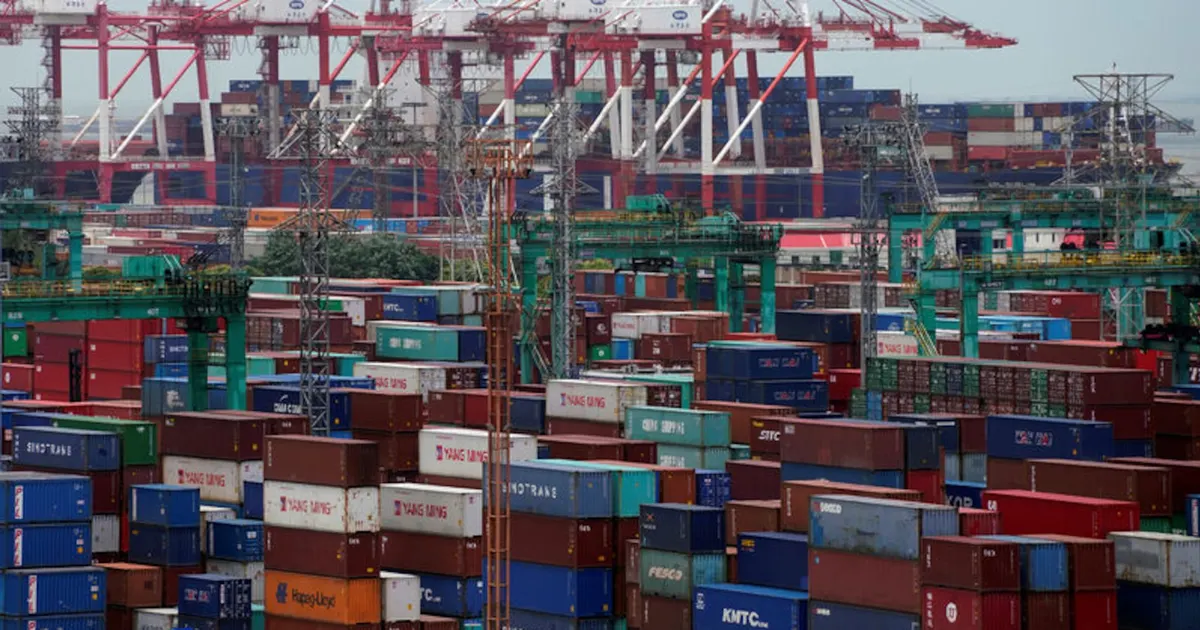
A year-end review says the US-China trade war cost both countries billions of dollars in 2018. Chinese tariffs widened US crusher margins by leaving cheap soybeans at home.
Chinese mills front-loaded purchases, which created oversupply, and cut soymeal output sharply in summer.
Lower Chinese soymeal output reduces import demand, while the crush-driven domestic supply of meal weighs on prices, so the net effect on meal is bearish.
 reuters.comMichael HirtzerDec 31, 2018
After 384 past bearish trade events, Soybean Meal moved a median -0.2% over 5 sessions (47% higher; middle half -1.7% to +1.6%), and -0.5% over 20.
After 803 past bearish trade events, Soybeans moved a median +0.0% over 5 sessions (51% higher; middle half -1.7% to +1.7%), and +0.9% over 20.
Moves of each commodity's benchmark from the last close before the event. Historical reads pool past events of the same kind; they describe what happened, not what will. Not investment advice.
