Loading…
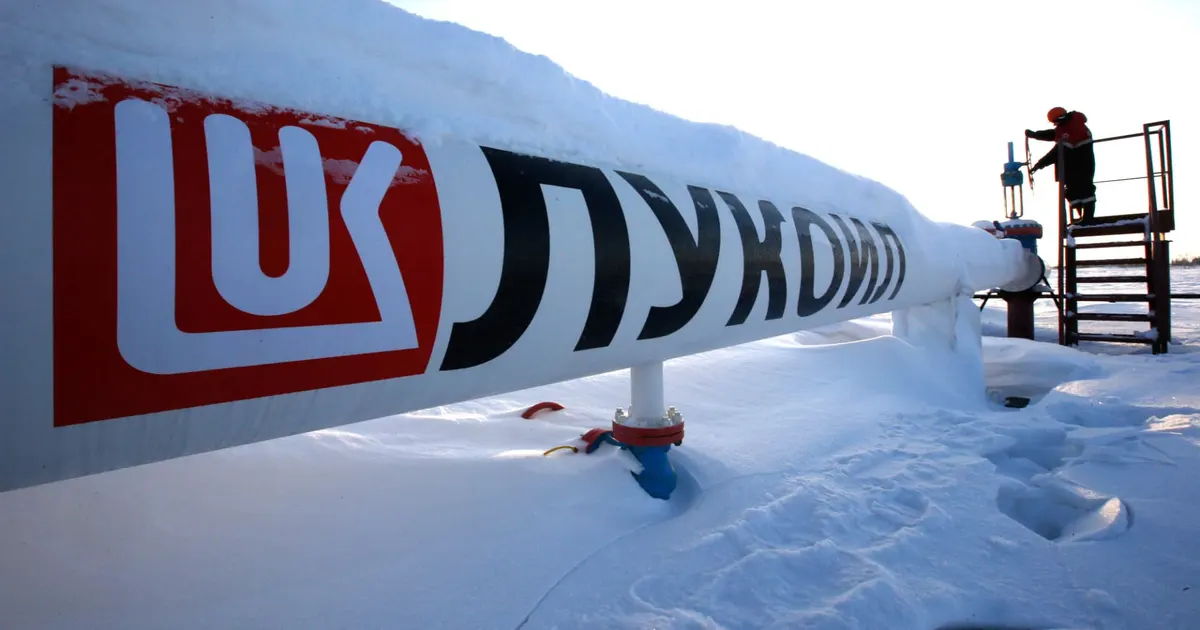
WTI crude settled down about 12%, or $15, to $108.70 a barrel, its worst day since November 26. Brent fell about 13% to $111.1, its biggest one-day drop since April 2020.
The moves came as Iraq signaled it could raise output and US officials said the UAE would back higher OPEC+ production, after Russia's invasion of Ukraine had pushed Brent to $139.
Expectations of more OPEC+ supply reduce the risk premium that had lifted diesel and fertilizer-linked input costs. Feed buyers should expect lower energy costs to ease pressure on feed-ingredient prices if the supply response holds.
 cnbc.comYun LiMar 9, 2022
After 210 past bearish policy events, Crude Oil (Brent) moved a median -0.9% over 5 sessions (48% higher; middle half -3.8% to +3.2%), and +0.2% over 20.
After 215 past bearish policy events, Crude Oil (WTI) moved a median +0.1% over 5 sessions (51% higher; middle half -4.4% to +3.3%), and +0.2% over 20.
Moves of each commodity's benchmark from the last close before the event. Historical reads pool past events of the same kind; they describe what happened, not what will. Not investment advice.
Describes the drop as triggered by Iraq signaling higher output and US officials saying the UAE would back higher OPEC+ production, easing supply concerns after the spike.
Brent fell about 13% as Iraq and the UAE signaled higher output, easing supply fears after the spike to $139.
WTI fell 12% to $108.70 as Iraq and the UAE signaled higher output, easing supply fears.
Iraq signaled higher output and the UAE backed OPEC+ increases, driving a 13% Brent drop from the $139 peak.
