Loading…
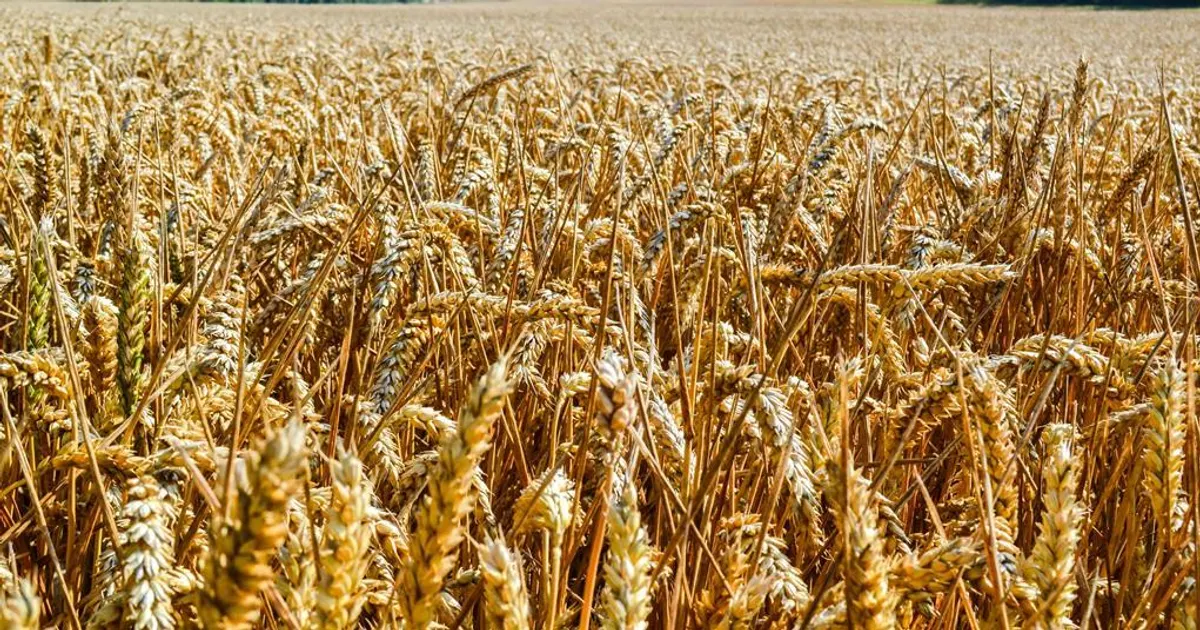
Wheat prices are expected to fall as coronavirus lockdowns in Chinese cities reduce demand, after a 24% rally since September driven by flooding in the UK and France. The virus is expected to cut more than 1% from China's GDP.
China's expected wheat purchases under the phase 1 deal are now uncertain given the 'market conditions' clause.
Lower Chinese demand and uncertainty over purchases under the phase 1 deal weigh on wheat export prices, though European supply stress limits the downside.
 thegrocer.co.ukHarry HolmesJan 30, 2020
After 14 past disease events, Wheat (SRW) moved a median -0.3% over 5 sessions (29% higher; middle half -0.7% to +0.5%), and -0.8% over 20.
After 69 past disease events, Soybeans moved a median +0.3% over 5 sessions (57% higher; middle half -1.7% to +1.9%), and +0.1% over 20.
After 379 past disease events, Corn moved a median +0.2% over 5 sessions (53% higher; middle half -1.5% to +1.7%), and +0.4% over 20.
After 346 past bearish events of any kind, Wheat (HRW) moved a median -0.5% over 5 sessions (45% higher; middle half -3.3% to +2.3%), and +0.1% over 20.
Moves of each commodity's benchmark from the last close before the event. Historical reads pool past events of the same kind; they describe what happened, not what will. Not investment advice.
