Loading…
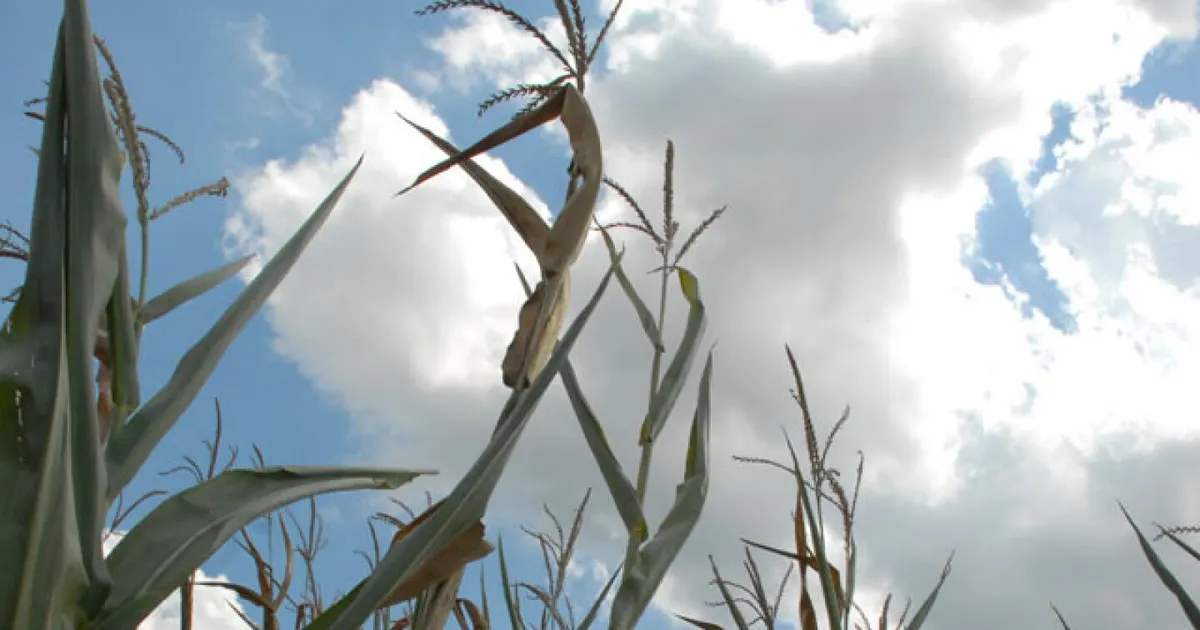
The Climate Prediction Center has declared the end of El Niño, with ENSO-neutral conditions now in place. It puts the odds of La Niña forming in July-September at 65% and persisting through the Northern Hemisphere winter at 85%.
La Niña typically brings hotter, drier conditions to the central and eastern US and can block moisture to the western Corn Belt.
A developing La Niña raises the risk of heat and dryness in the US Corn Belt during the growing season, which supports corn and soybean prices. The effect is strongest if it coincides with pollination.
 agweb.comPro Farmer EditorsJun 14, 2024
After 1,465 past bullish weather events, Corn moved a median +0.2% over 5 sessions (54% higher; middle half -1.4% to +1.9%), and +0.9% over 20.
After 1,079 past bullish weather events, Soybeans moved a median +0.3% over 5 sessions (54% higher; middle half -1.4% to +2.0%), and +0.9% over 20.
Moves of each commodity's benchmark from the last close before the event. Historical reads pool past events of the same kind; they describe what happened, not what will. Not investment advice.
