Loading…
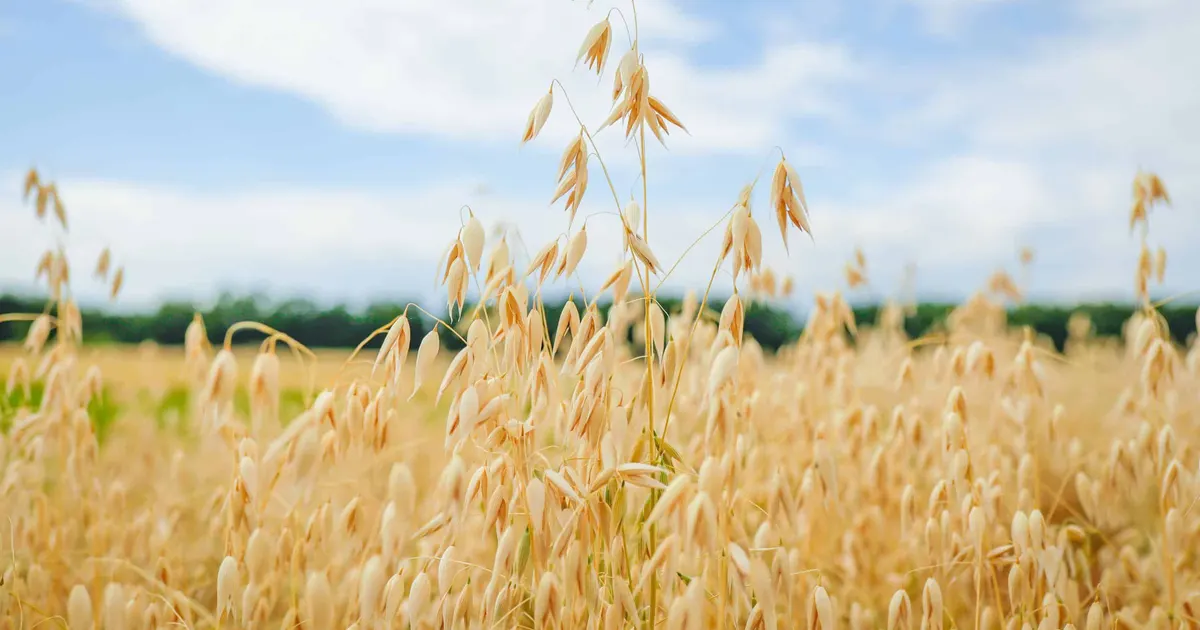
Millions of gallons of Middle East nitrogen and other fertilizer exports were reported stranded at the top of the Strait of Hormuz in early March 2026 as the US and Israel bombed Iran. Midwest farmers face high fertilizer costs and are looking at reducing nitrogen use, including by adding oats to rotations, though oat demand remains limited.
Stranded fertilizer supply and higher nitrogen costs tighten the input market and support urea prices. Growers may shift acres toward crops that need less nitrogen, which would change corn and soy demand over time.
 foodprint.orgKristen LinkMar 12, 2026
After 205 past bullish geopolitics events, UREA moved a median +0.4% over 5 sessions (53% higher; middle half -2.1% to +3.0%), and -0.4% over 20.
After 96 past neutral events of any kind, OATS moved a median -0.1% over 5 sessions (48% higher; middle half -2.7% to +3.4%), and -1.2% over 20.
Moves of each commodity's benchmark from the last close before the event. Historical reads pool past events of the same kind; they describe what happened, not what will. Not investment advice.
