Loading…
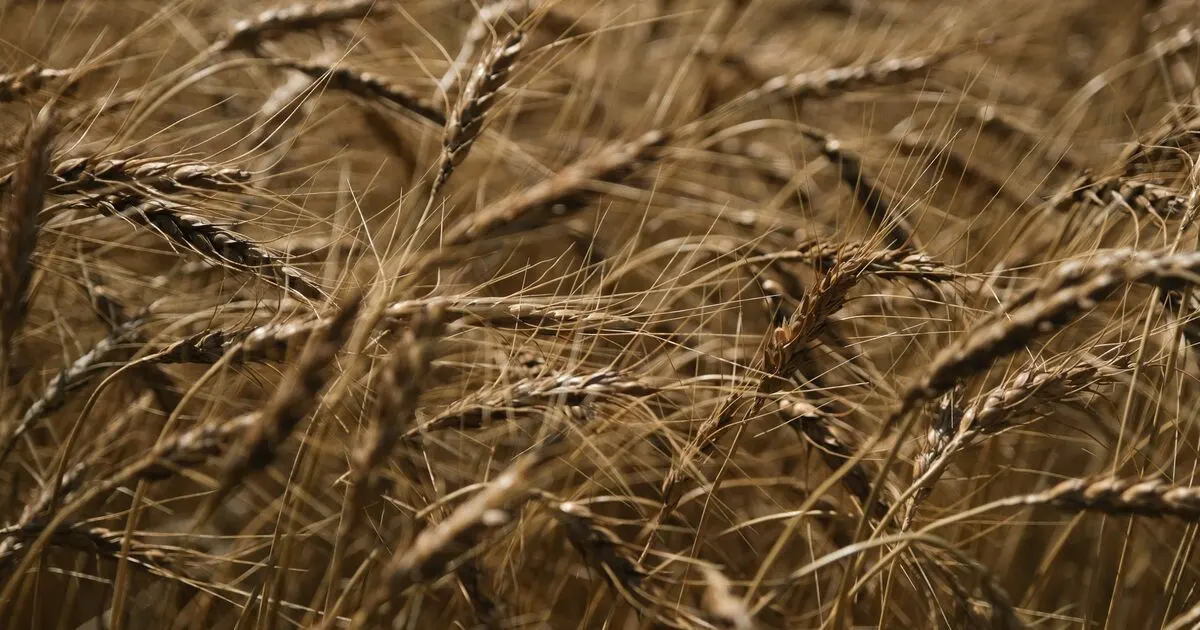
Chicago soft red winter wheat futures rose as much as 4.1%, reaching their highest level since June 2024. US Plains wheat planted last autumn is withering from lack of rain, and USDA kept crop ratings at just 30% good or excellent.
Soaring fertilizer costs are also prompting farmers to plant fewer nutrient-intensive crops such as grains.
Drought losses in US hard red winter wheat and tighter supply expectations support wheat prices, and high fertilizer costs could reduce future grain acreage. Feed buyers face higher wheat and feed-grain costs.
 bloomberg.comMichael HirtzerApr 28, 2026
After 1,072 past bullish weather events, WHEAT moved a median +0.2% over 5 sessions (55% higher; middle half -1.4% to +2.3%), and +0.3% over 20.
After 322 past bullish weather events, KWHEAT moved a median -0.1% over 5 sessions (49% higher; middle half -2.5% to +3.2%), and +1.0% over 20.
Moves of each commodity's benchmark from the last close before the event. Historical reads pool past events of the same kind; they describe what happened, not what will. Not investment advice.
Futures hit the highest since 2024 on Plains drought and fertilizer costs reducing grain plantings, though a global benchmark rather than HRW.
