Loading…
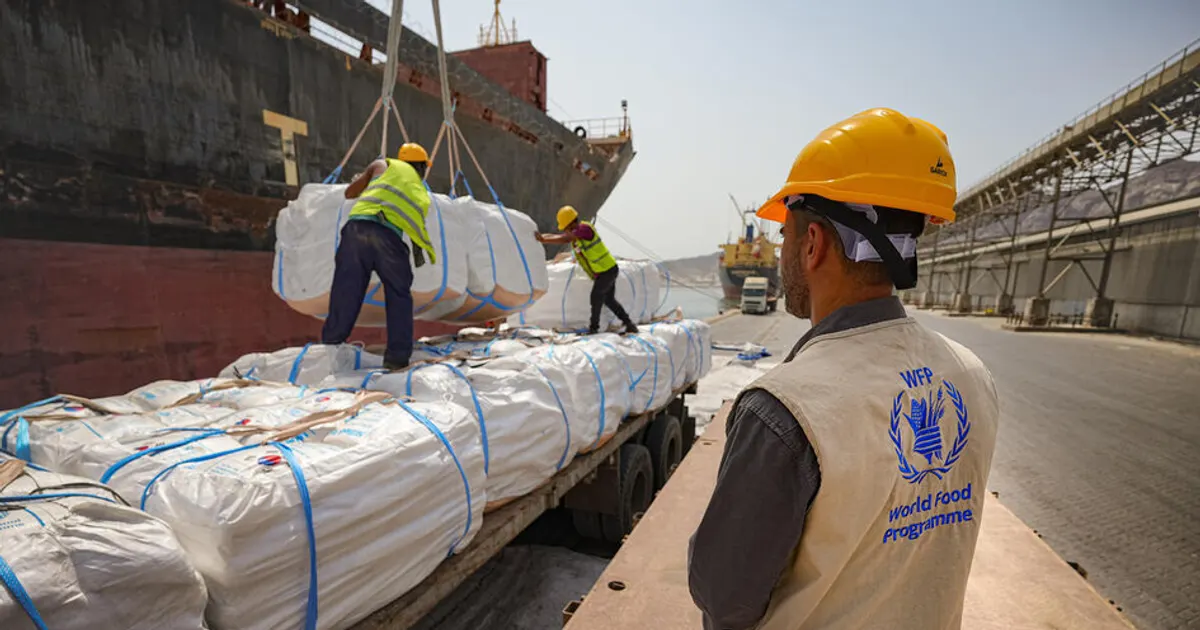
Conflict is simultaneously disrupting trade through the Strait of Hormuz, the Red Sea and the Black Sea, with Hormuz traffic still below normal. Russia and Ukraine account for around one-third of global wheat trade, much of which normally moves through Black Sea ports.
Simultaneous disruption of energy, fertilizer and grain corridors raises freight, fuel and fertilizer costs and supports wheat and feed prices. The effects are broad, though this is a general analysis rather than a single new shock.
 wfp.orgOct 8, 2026
After 361 past bullish geopolitics events, Wheat (SRW) moved a median +0.7% over 5 sessions (58% higher; middle half -1.4% to +3.7%), and +1.3% over 20.
After 626 past bullish geopolitics events, Crude Oil (WTI) moved a median +2.1% over 5 sessions (62% higher; middle half -2.3% to +8.5%), and +1.6% over 20.
After 656 past bullish geopolitics events, Crude Oil (Brent) moved a median +1.9% over 5 sessions (63% higher; middle half -2.7% to +6.6%), and +0.7% over 20.
After 205 past bullish geopolitics events, Urea moved a median +0.4% over 5 sessions (53% higher; middle half -2.1% to +3.0%), and -0.4% over 20.
Moves of each commodity's benchmark from the last close before the event. Historical reads pool past events of the same kind; they describe what happened, not what will. Not investment advice.
