Loading…
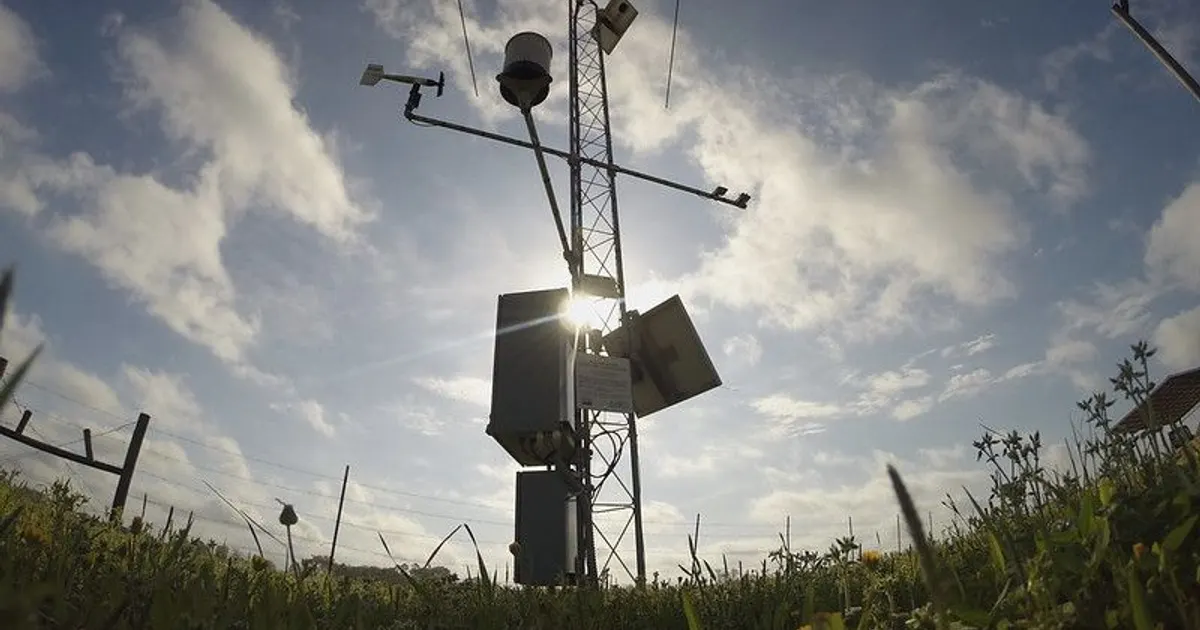
Satellite data from NASA's SPoRT project show the top 16 inches of Corn Belt soil are either too wet or too dry. Much of the Midwest and Plains is below the 20th percentile for moisture, while parts of the Ohio Valley and Dakotas are above the 90th percentile.
The pattern is expected to persist over the next 30 to 90 days.
Dry root-zone moisture in much of the Corn Belt raises the risk of stress at planting and early growth, which supports corn prices. Wet pockets could also delay fieldwork.
 proag.comFeb 22, 2022
After 1,465 past bullish weather events, Corn moved a median +0.2% over 5 sessions (54% higher; middle half -1.4% to +1.9%), and +0.9% over 20.
Moves of each commodity's benchmark from the last close before the event. Historical reads pool past events of the same kind; they describe what happened, not what will. Not investment advice.
