Loading…
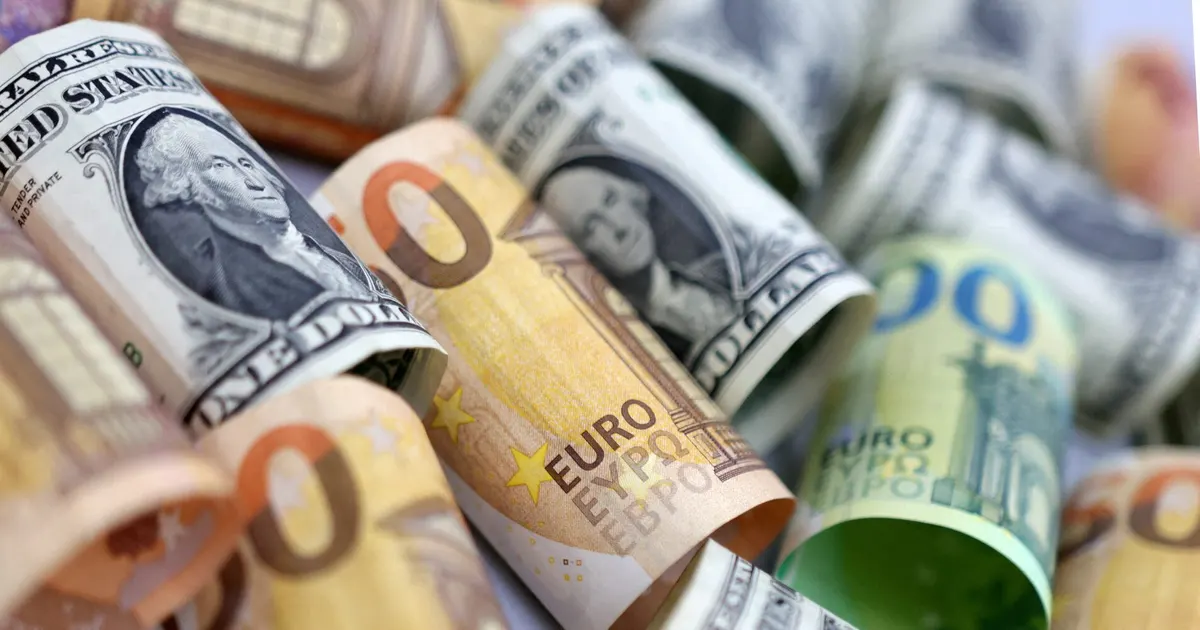
The dollar fell broadly on Monday after an official for the incoming Trump administration signaled no immediate tariffs. Trump had previously pledged 10% tariffs on global imports and 60% on Chinese goods.
Delayed tariff threats reduce near-term trade-war risk for feed-grain export flows and ease pressure on import costs. A weaker dollar tends to support U.S. feed commodity prices in dollar terms.
 reuters.comJan 20, 2025
After 39 past bearish trade events, US Dollar (Broad) moved a median -0.4% over 5 sessions (26% higher; middle half -1.1% to +0.0%), and -0.8% over 20.
Moves of each commodity's benchmark from the last close before the event. Historical reads pool past events of the same kind; they describe what happened, not what will. Not investment advice.
The dollar fell broadly on Jan 20 when Trump's team signaled no immediate tariffs, removing a tariff-driven safe-haven and rate premium and starting the week's decline.
