Loading…
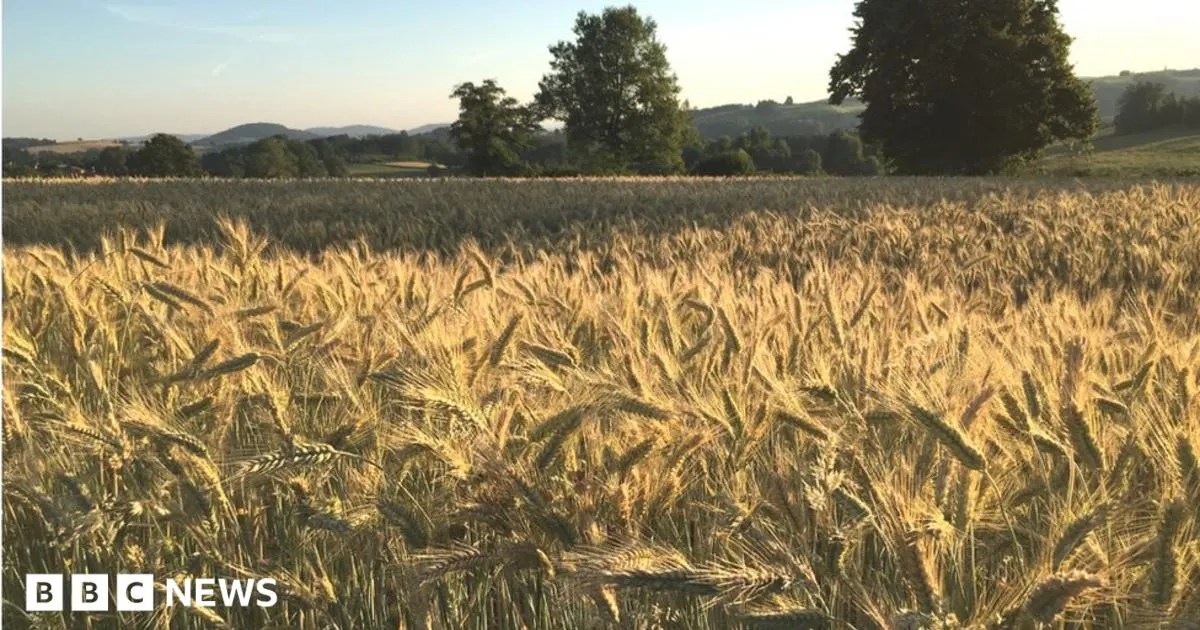
Wheat production is down and prices have risen after widespread weather disruption, with barley yields down much more sharply. The International Grains Council estimates global grain production will fall about 2% this year, and China's tariffs on US soybeans are affecting trade flows.
Lower global grain output and reduced barley supply raise feed ingredient costs, while tariff-driven soybean trade shifts add demand uncertainty.
 bbc.co.ukDouglas FraserJul 28, 2018
Not enough comparable past events yet for a historical read.
After 1,072 past bullish weather events, Wheat (SRW) moved a median +0.2% over 5 sessions (55% higher; middle half -1.4% to +2.3%), and +0.3% over 20.
After 363 past bearish weather events, Soybeans moved a median -0.6% over 5 sessions (42% higher; middle half -2.5% to +1.1%), and -0.2% over 20.
Moves of each commodity's benchmark from the last close before the event. Historical reads pool past events of the same kind; they describe what happened, not what will. Not investment advice.
Published 2 days before the move, it describes weather disruption cutting global grain output with barley yields down far more than wheat, which supports a supply-driven rally but is largely already-known background.
