Loading…
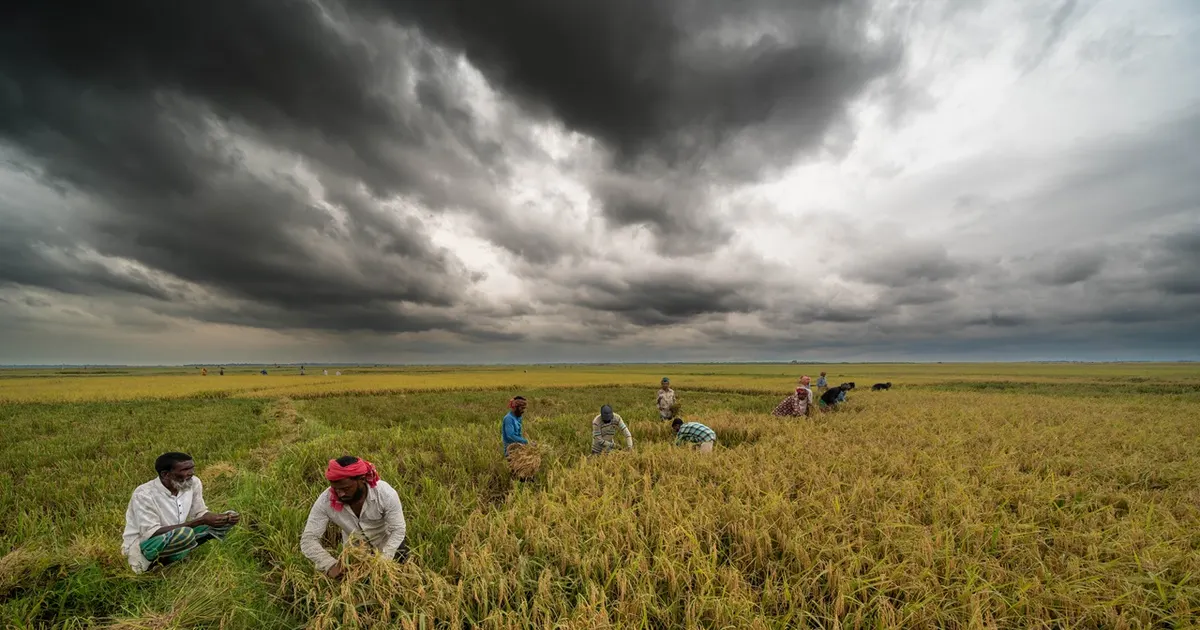
An opinion piece on Bangladesh's agricultural subsidies explains that fertiliser prices are set by government through the national budget process rather than by open-market supply and demand. It cites a World Bank report finding that the largest 20 percent of landholders receive half of fertiliser subsidies while the smallest 40 percent get 13 percent.
Fixed retail fertiliser prices below cost keep urea, TSP, DAP and MOP demand insulated from global price spikes, while black-market sales at higher prices signal supply pressure. Changes to subsidy budgets could shift Bangladeshi fertiliser import needs.
 tob.newsM S SiddiquiNov 19, 2026
After 26 past neutral policy events, Urea moved a median -1.0% over 5 sessions (27% higher; middle half -4.1% to +0.6%), and -2.5% over 20.
Moves of each commodity's benchmark from the last close before the event. Historical reads pool past events of the same kind; they describe what happened, not what will. Not investment advice.
