加载中…
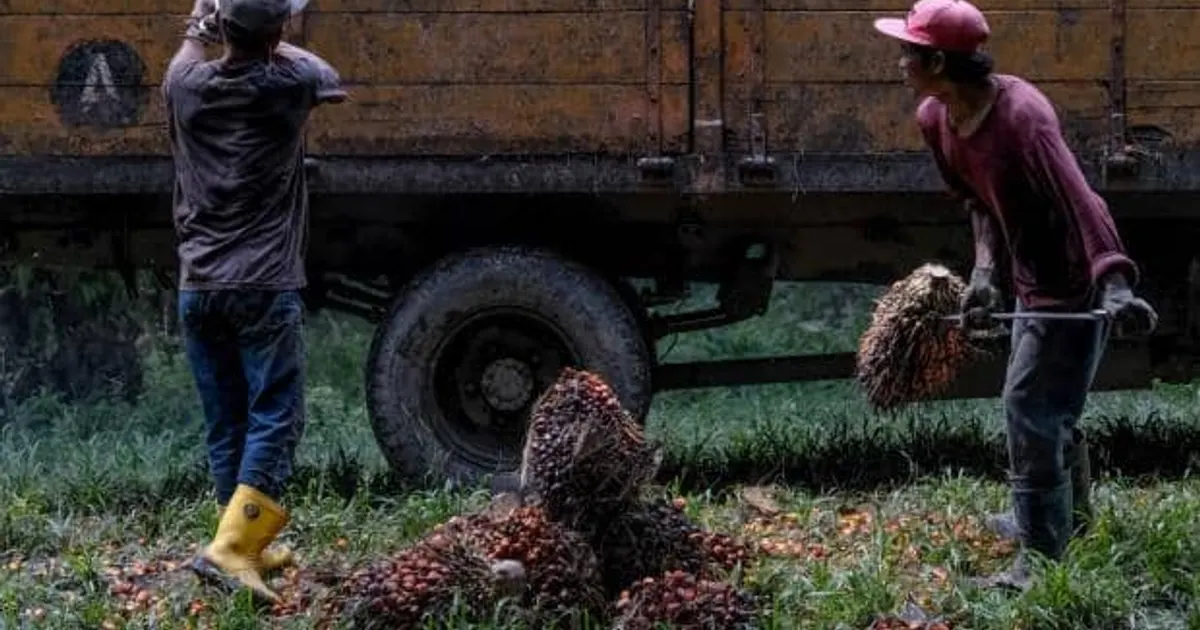
Food commodity prices rallied, with wheat reaching its highest level since 2012 and palm oil on a record run. Russia and Ukraine account for about a quarter of global wheat trade and most sunflower oil exports.
Drought in South America also weighed on soybean supply prospects, and a labor shortage in Malaysia was limiting palm oil output.
Higher wheat, corn and vegetable oil prices raise input costs for feed and food manufacturers. Low starting stocks leave little buffer against further supply shocks.
 business-standard.comAnuradha Raghu, Bloomberg2022年2月24日
在过去 361 次看涨的地缘政治事件之后,小麦(SRW) 在 5 个交易日内中位数变动 +0.7%(58% 上涨;中间一半区间为 -1.4% 至 +3.7%),20 个交易日内为 +1.3%。
在过去 323 次看涨的地缘政治事件之后,玉米 在 5 个交易日内中位数变动 +0.5%(57% 上涨;中间一半区间为 -1.5% 至 +2.9%),20 个交易日内为 +0.9%。
在过去 62 次看涨的地缘政治事件之后,棕榈油 在 5 个交易日内中位数变动 +2.5%(74% 上涨;中间一半区间为 -0.1% 至 +5.8%),20 个交易日内为 +4.0%。
在过去 72 次看涨的地缘政治事件之后,大豆 在 5 个交易日内中位数变动 +0.4%(60% 上涨;中间一半区间为 -1.0% 至 +2.5%),20 个交易日内为 -1.0%。
各商品基准价相对事件前最后收盘价的变动。历史数据汇总同类过往事件;仅描述已发生的情况,不代表未来走势。不构成投资建议。
Food commodity prices including palm oil rallied on Russia-Ukraine risk, while Malaysian labor shortages limited output.
