加载中…
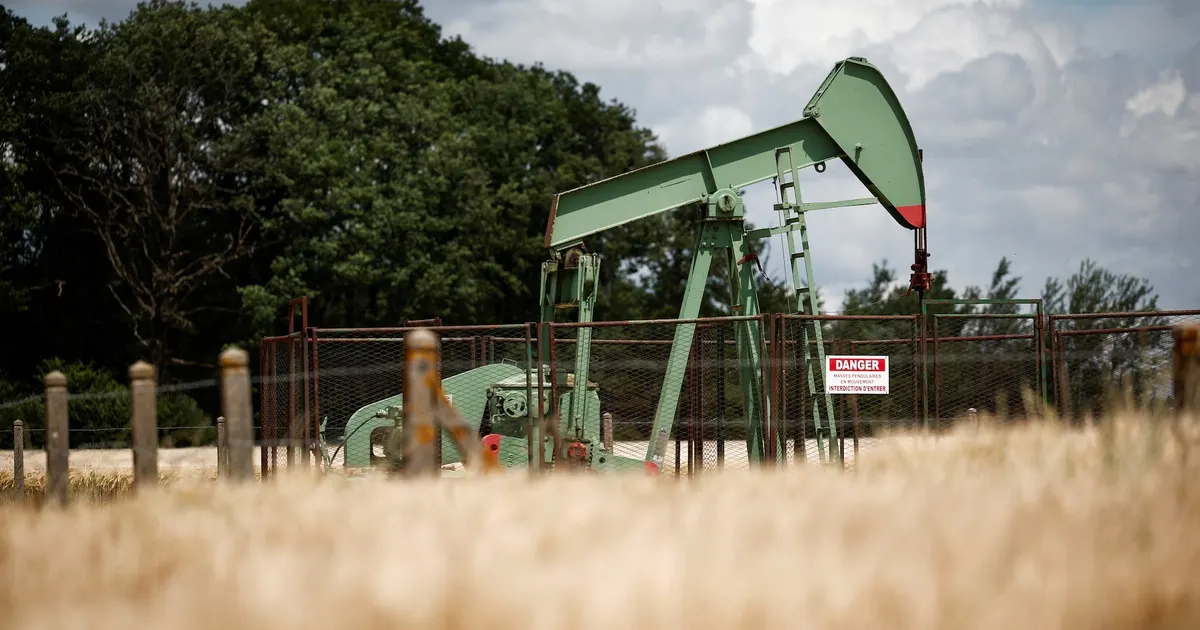
Oil settled down more than 7% on Monday after Iran avoided disrupting Strait of Hormuz tanker traffic and instead attacked a U.S. base in Qatar. Brent closed down $5.53 at $71.48 a barrel, its steepest one-day drop since August 2022.
A large drop in crude removes the Gulf supply-disruption premium, sharply lowering diesel and energy input costs for feed producers.
 reuters.comArathy Somasekhar2025年6月23日
在过去 250 次看跌的地缘政治事件之后,原油(Brent) 在 5 个交易日内中位数变动 -3.1%(36% 上涨;中间一半区间为 -7.9% 至 +1.6%),20 个交易日内为 -5.5%。
在过去 255 次看跌的地缘政治事件之后,原油(WTI) 在 5 个交易日内中位数变动 -2.4%(31% 上涨;中间一半区间为 -7.0% 至 +1.7%),20 个交易日内为 -5.0%。
在过去 51 次看跌的地缘政治事件之后,ULSD / 柴油 在 5 个交易日内中位数变动 -2.4%(37% 上涨;中间一半区间为 -8.2% 至 +3.9%),20 个交易日内为 -2.3%。
各商品基准价相对事件前最后收盘价的变动。历史数据汇总同类过往事件;仅描述已发生的情况,不代表未来走势。不构成投资建议。
Brent closed down $5.53 to $71.48 on June 23 after Iran's attack on a US base in Qatar left Hormuz tanker traffic untouched, which removed the supply-risk premium and caused the move.
Brent fell $5.53 (over 7%) on June 23 as Iran's retaliation spared tankers and Hormuz flows, removing the supply-disruption premium that drove the 5-day drop.
Brent fell $5.53 to $71.48 on June 23, its steepest one-day drop since 2022, after Iran's retaliation spared tankers and Hormuz, removing the supply risk premium; this was the largest single-day contributor to the 5-day decline.
