加载中…
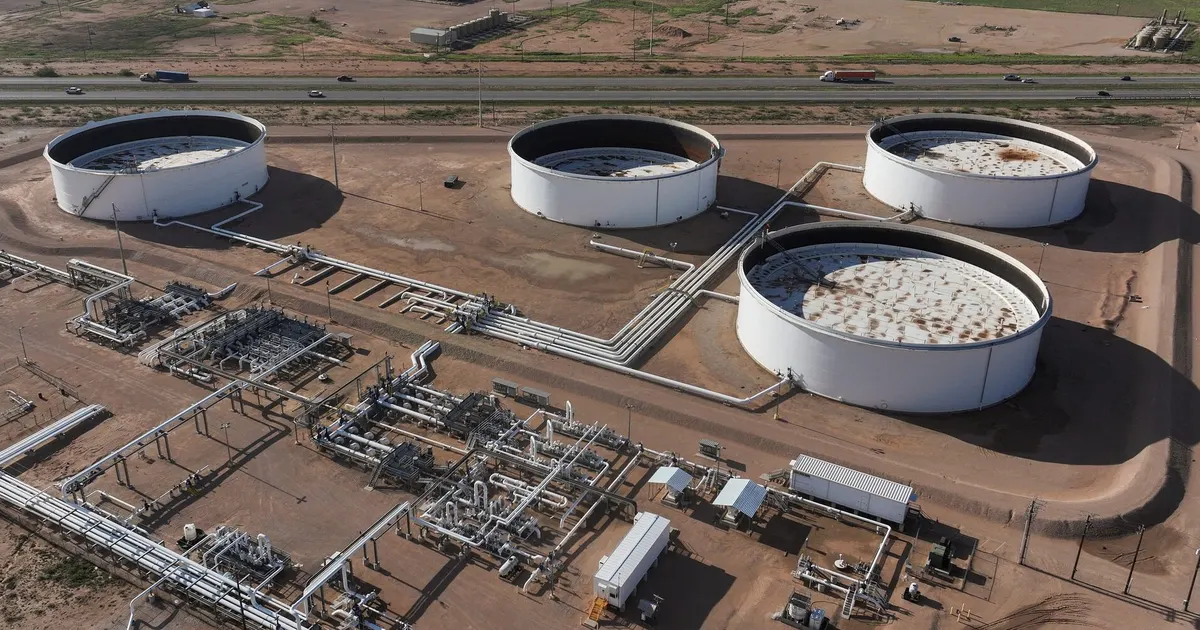
Oil prices dropped sharply after Iran's retaliation against a U.S. military base in Qatar was limited and telegraphed. Prices fell further after Donald Trump announced that Israel and Iran had agreed to a ceasefire.
The episode suggests Middle East tensions have less lasting impact on crude than before, so risk premiums are unwinding and energy input costs for feed are easing.
 reuters.comRon Bousso2025年6月25日
在过去 250 次看跌的地缘政治事件之后,原油(Brent) 在 5 个交易日内中位数变动 -3.1%(36% 上涨;中间一半区间为 -7.9% 至 +1.6%),20 个交易日内为 -5.5%。
在过去 255 次看跌的地缘政治事件之后,原油(WTI) 在 5 个交易日内中位数变动 -2.4%(31% 上涨;中间一半区间为 -7.0% 至 +1.7%),20 个交易日内为 -5.0%。
各商品基准价相对事件前最后收盘价的变动。历史数据汇总同类过往事件;仅描述已发生的情况,不代表未来走势。不构成投资建议。
Limited, telegraphed Iranian retaliation and the ceasefire announcement drove prices lower as the supply-risk premium faded.
Prices dropped because Iran's retaliation was limited and telegraphed, with the ceasefire announcement adding to the decline; the ceasefire part falls partly outside the June 23 window.
Oil dropped on the limited, telegraphed Iranian retaliation and then the ceasefire, which lowered the supply-risk premium.
