加载中…
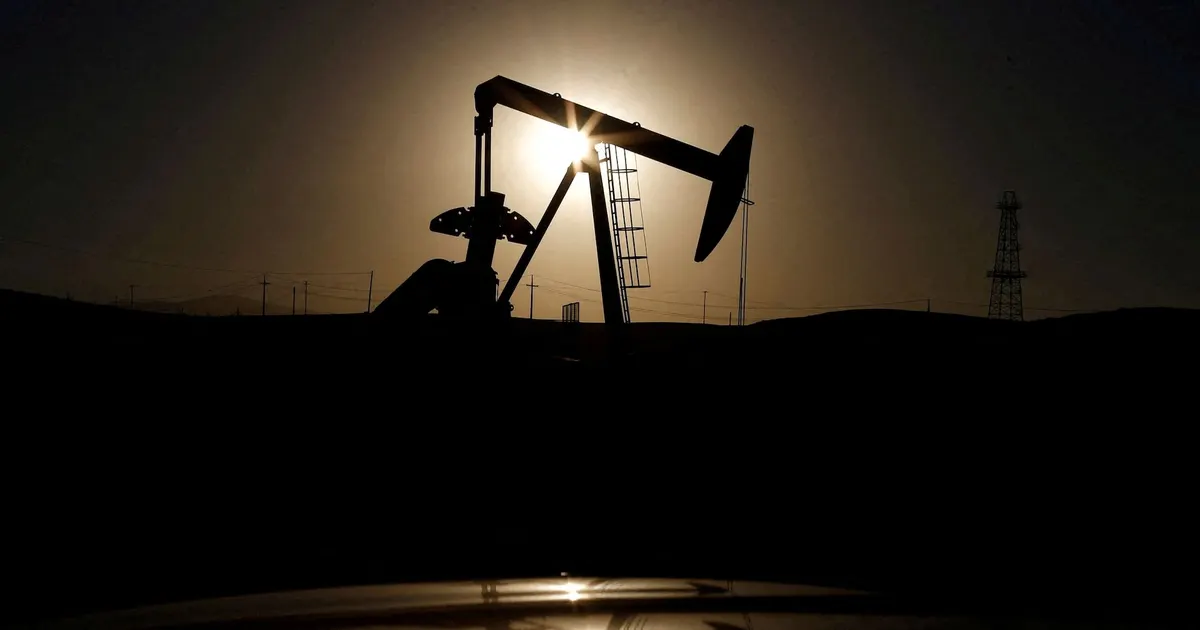
Oil prices rose 8% on Thursday, March 17, 2022, recovering from several days of losses. The rebound reflected renewed concern about supply shortages in the coming weeks because of sanctions on Russia, the world's second-largest crude exporter.
Sanctions-driven supply fears lift crude prices, which raise diesel, freight and fertilizer costs for feed producers and support biofuel-linked feedstocks such as soybean oil and corn.
 cnbc.comReuters2022年3月17日
 reuters.comArathy Somasekhar2022年3月17日
在过去 626 次看涨的地缘政治事件之后,原油(WTI) 在 5 个交易日内中位数变动 +2.1%(62% 上涨;中间一半区间为 -2.3% 至 +8.5%),20 个交易日内为 +1.6%。
在过去 656 次看涨的地缘政治事件之后,原油(Brent) 在 5 个交易日内中位数变动 +1.9%(63% 上涨;中间一半区间为 -2.7% 至 +6.6%),20 个交易日内为 +0.7%。
在过去 250 次看涨的地缘政治事件之后,ULSD / 柴油 在 5 个交易日内中位数变动 +1.7%(58% 上涨;中间一半区间为 -3.6% 至 +8.7%),20 个交易日内为 +0.9%。
各商品基准价相对事件前最后收盘价的变动。历史数据汇总同类过往事件;仅描述已发生的情况,不代表未来走势。不构成投资建议。
Oil rose 8% on March 17 on renewed fears of Russian supply shortages from sanctions, driving the rebound in ULSD during the window.
The 8% rebound on March 17 on renewed Russian supply-shortage fears began the recovery from the March 15-16 low, lifting the 5-day change.
The 8% rebound on March 17 on Russian supply shortage concerns raised the base from which the later gains were measured and signalled the upward momentum.
