加载中…
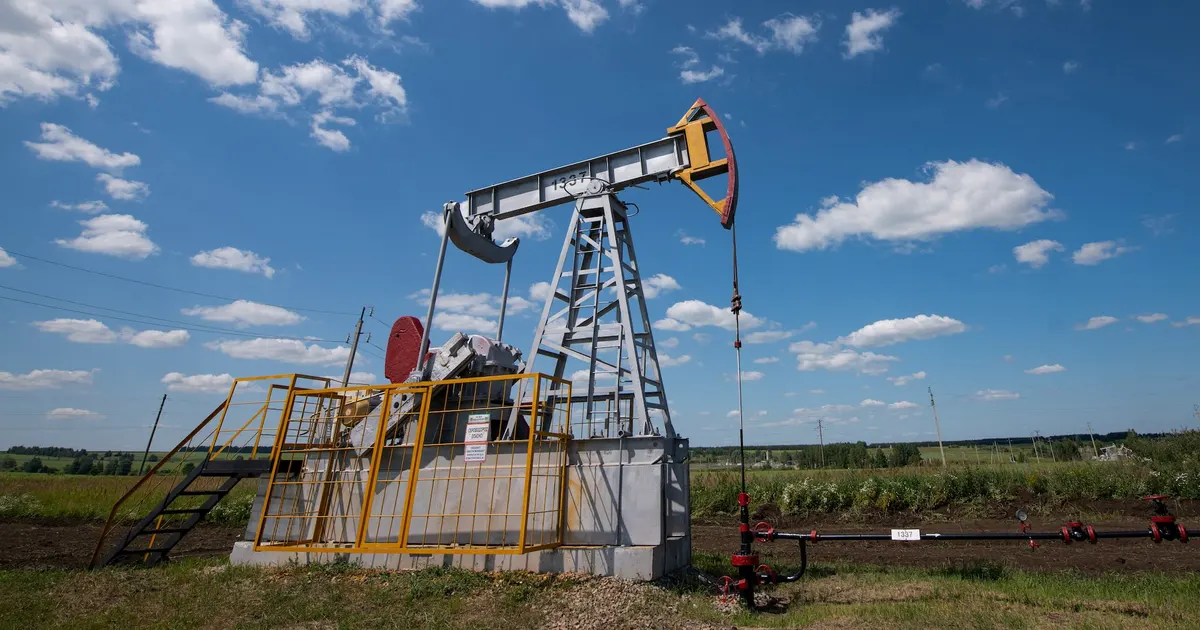
Oil prices surged about 20% in early Asian trade on Monday, reaching their highest since July 2022. The rally followed the expanding US and Israeli war with Iran, which led some major Middle East producers to cut supplies.
Supply cuts from key Middle East producers tighten global crude markets and lift energy-linked costs. Higher energy prices feed into diesel, fertilizer and freight, raising feed production costs and supporting vegetable oil and biofuel-linked prices.
 reuters.com2026年3月9日
在过去 626 次看涨的地缘政治事件之后,原油(WTI) 在 5 个交易日内中位数变动 +2.1%(62% 上涨;中间一半区间为 -2.3% 至 +8.5%),20 个交易日内为 +1.6%。
在过去 656 次看涨的地缘政治事件之后,原油(Brent) 在 5 个交易日内中位数变动 +1.9%(63% 上涨;中间一半区间为 -2.7% 至 +6.6%),20 个交易日内为 +0.7%。
在过去 250 次看涨的地缘政治事件之后,ULSD / 柴油 在 5 个交易日内中位数变动 +1.7%(58% 上涨;中间一半区间为 -3.6% 至 +8.7%),20 个交易日内为 +0.9%。
在过去 110 次看涨的地缘政治事件之后,豆油 在 5 个交易日内中位数变动 +1.8%(65% 上涨;中间一半区间为 -0.7% 至 +3.6%),20 个交易日内为 -0.4%。
各商品基准价相对事件前最后收盘价的变动。历史数据汇总同类过往事件;仅描述已发生的情况,不代表未来走势。不构成投资建议。
Oil jumped about 20% in early Asian trade on Middle East producer supply cuts.
