加载中…
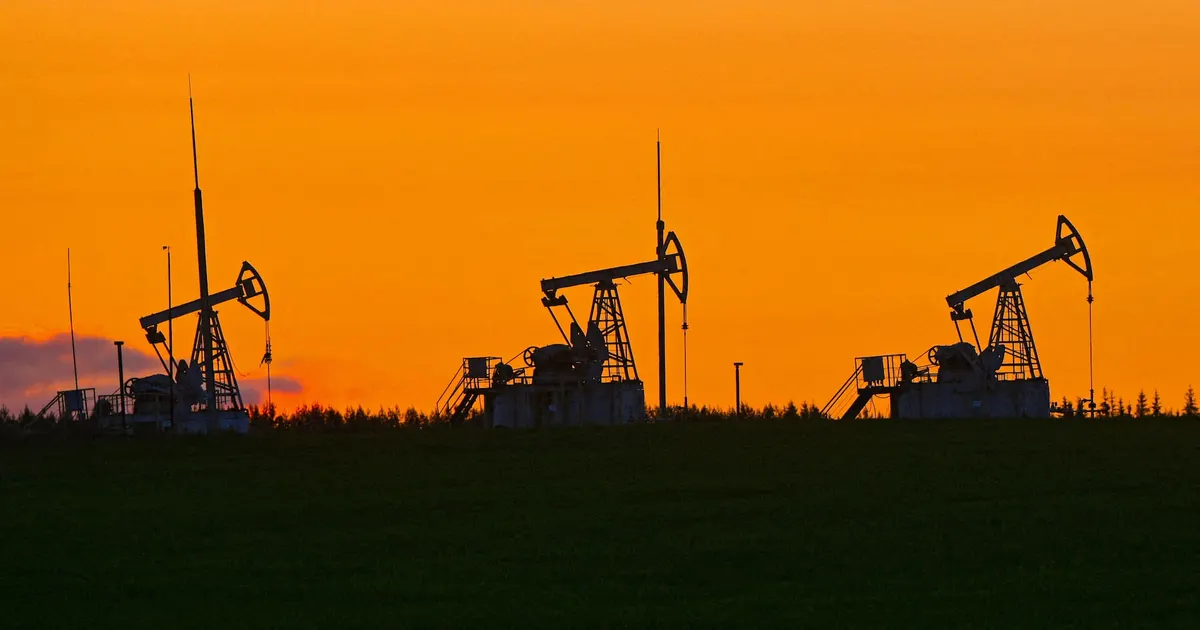
Oil prices surged about 5% to a two-week high after the US imposed sanctions on Rosneft and Lukoil over Russia's war in Ukraine. Brent settled at $65.99 and WTI at $61.79, and energy firms in China and India were weighing cuts to Russian imports.
If Chinese and Indian buyers cut Russian crude, global supply tightens and crude prices stay elevated. Higher crude supports biofuel and diesel costs, which can lift soybean oil and other energy-linked feed inputs.
 reuters.comScott Disavino2025年10月22日
在过去 656 次看涨的地缘政治事件之后,原油(Brent) 在 5 个交易日内中位数变动 +1.9%(63% 上涨;中间一半区间为 -2.7% 至 +6.6%),20 个交易日内为 +0.7%。
在过去 626 次看涨的地缘政治事件之后,原油(WTI) 在 5 个交易日内中位数变动 +2.1%(62% 上涨;中间一半区间为 -2.3% 至 +8.5%),20 个交易日内为 +1.6%。
在过去 250 次看涨的地缘政治事件之后,ULSD / 柴油 在 5 个交易日内中位数变动 +1.7%(58% 上涨;中间一半区间为 -3.6% 至 +8.7%),20 个交易日内为 +0.9%。
各商品基准价相对事件前最后收盘价的变动。历史数据汇总同类过往事件;仅描述已发生的情况,不代表未来走势。不构成投资建议。
Reuters report dated Oct 22 of oil surging about 5% after US sanctions on Rosneft and Lukoil, with Brent settling near $66, directly matches the 1-day move through 2025-10-22.
US sanctions on Rosneft and Lukoil threaten Russian crude supply and trade flows, driving Brent up about 5% to a two-week high.
US sanctions on Rosneft and Lukoil on Oct 22 sent crude up ~5%, a supply-risk shock that directly lifted ULSD futures the same day.
The sanctions on Russian majors drove a ~5% crude surge, lifting diesel via input cost and supply-risk sentiment; the settlement is dated Oct 22 but the move carried into the Oct 23 diesel session.
