加载中…
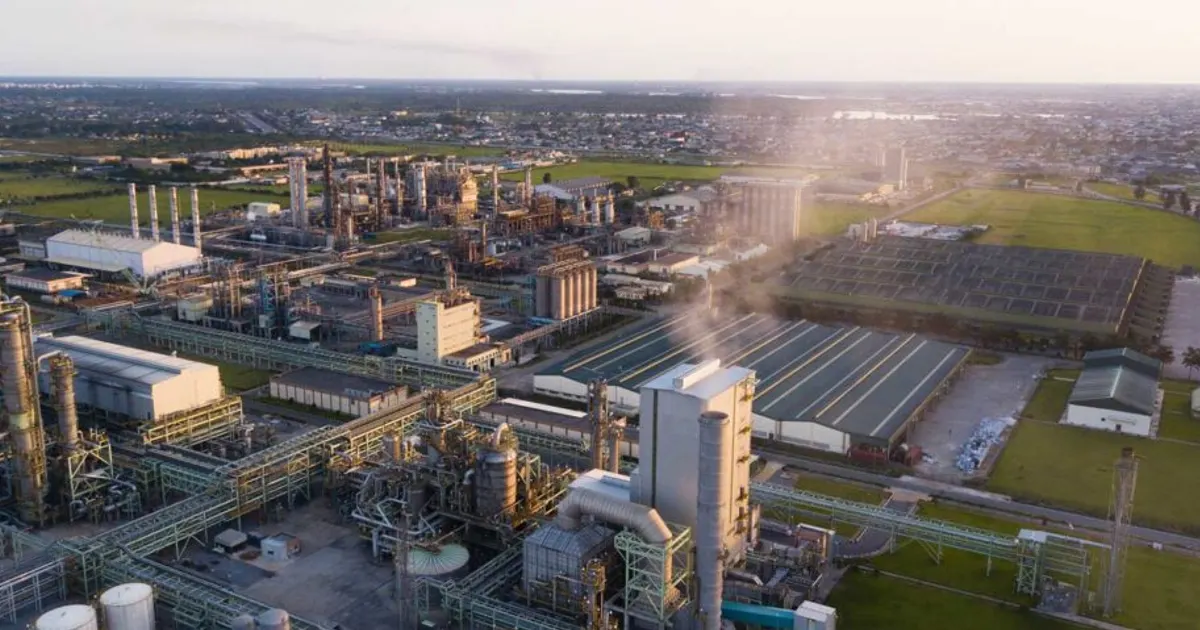
Middle East urea prices fell to about $630/mt as of Week 13, still 28% above pre-war levels. DAP and MAP prices remained high and stable, while Strait of Hormuz tensions continue to add risk premiums to fertilizer and energy markets.
Persistent geopolitical risk and elevated energy and freight costs keep fertilizer input costs high, which feeds into higher feed production costs.
 ifdc.orgAfricaFertilizer Staff, IFDC Staff, Sustain Africa Staff2026年6月2日
在过去 205 次看涨的地缘政治事件之后,尿素 在 5 个交易日内中位数变动 +0.4%(53% 上涨;中间一半区间为 -2.1% 至 +3.0%),20 个交易日内为 -0.4%。
在过去 114 次看涨的地缘政治事件之后,DAP 在 5 个交易日内中位数变动 +0.0%(50% 上涨;中间一半区间为 -0.3% 至 +1.2%),20 个交易日内为 +0.3%。
在过去 60 次中性的地缘政治事件之后,原油(WTI) 在 5 个交易日内中位数变动 -0.9%(43% 上涨;中间一半区间为 -4.7% 至 +2.3%),20 个交易日内为 -1.9%。
各商品基准价相对事件前最后收盘价的变动。历史数据汇总同类过往事件;仅描述已发生的情况,不代表未来走势。不构成投资建议。
Middle East urea fell to about $630/mt, confirming the price decline in a key export region despite lingering Hormuz risk premium.
