加载中…
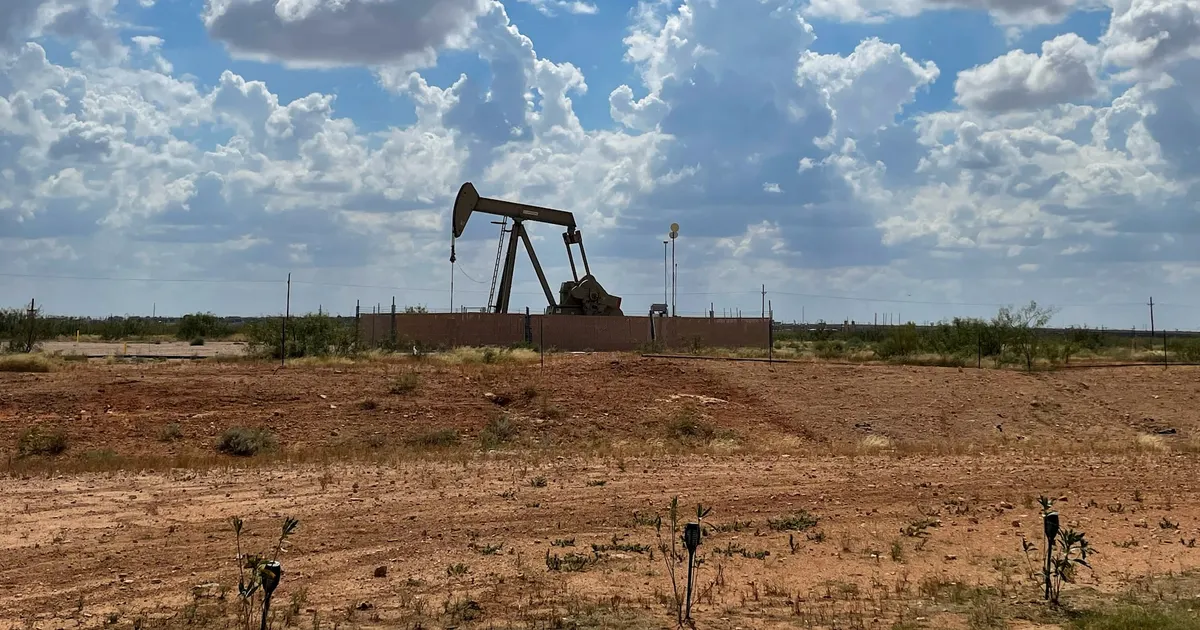
WTI crude futures have surged more than 40% so far this month to their highest levels since 2022. The rally followed U.S.-Israeli attacks on Iran, which prompted Tehran to halt shipping through the Strait of Hormuz, a chokepoint for about a fifth of world oil.
Analysts expect further gains as the conflict threatens export facilities.
Halted Hormuz shipping removes a major share of global crude flows, sustaining higher crude prices and raising fuel and freight costs for feed supply chains.
 reuters.comFlorence Tan, Shariq Khan2026年3月15日
在过去 626 次看涨的地缘政治事件之后,原油(WTI) 在 5 个交易日内中位数变动 +2.1%(62% 上涨;中间一半区间为 -2.3% 至 +8.5%),20 个交易日内为 +1.6%。
在过去 656 次看涨的地缘政治事件之后,原油(Brent) 在 5 个交易日内中位数变动 +1.9%(63% 上涨;中间一半区间为 -2.7% 至 +6.6%),20 个交易日内为 +0.7%。
在过去 250 次看涨的地缘政治事件之后,ULSD / 柴油 在 5 个交易日内中位数变动 +1.7%(58% 上涨;中间一半区间为 -3.6% 至 +8.7%),20 个交易日内为 +0.9%。
各商品基准价相对事件前最后收盘价的变动。历史数据汇总同类过往事件;仅描述已发生的情况,不代表未来走势。不构成投资建议。
WTI up over 40% month-to-date with analysts expecting further gains as export facilities are threatened, which lifted the crude feedstock and diesel complex into Mar 15-17.
Reuters on March 15 said oil was poised for further gains as the conflict threatened export facilities, reflecting the supply-risk sentiment that kept the rally going.
WTI was up more than 40% month to date and analysts expected further gains as export facilities were threatened, supporting upward momentum in diesel into March 15.
